




Restaurants usually start looking for an alternative to TableAgent reservation system when “free” stops being the only thing that matters. Once reservations become a daily operational workflow instead of a nice extra, owners start asking harder questions about branding, guest data, staff efficiency, and how much control they really have over the booking experience on their own site.
If you want an alternative to TableAgent reservation system that keeps bookings on your site and gives you more control over how tables, rules, deposits, and follow-up messages work, the Five Star WordPress Restaurant Reservations plugin is the stronger fit for most WordPress-driven restaurants. TableAgent can still suit operators who want a lightweight cloud tool, but restaurants that care about direct bookings, a brand-first experience, and long-term flexibility usually outgrow that model.
Why restaurants switch from TableAgent even when the sticker price looks attractive
TableAgent presents itself as a free, cloud-based reservation system with no monthly fees for the core product and optional paid add-ons for features like payments, SMS texting, and private accounts. That sounds compelling at first, especially for smaller venues trying to move away from phone calls and spreadsheets. The issue is that switching decisions are rarely about the first month of cost. They are about what happens after the restaurant depends on the system every day.
At that stage, operators tend to care less about whether software is free and more about whether the booking flow feels like part of their own website, whether staff can manage edge cases quickly, and whether the restaurant can shape policies around party sizes, deposits, cancellations, and no-shows without working around a third-party platform structure. That is where the business case for an alternative to TableAgent reservation system becomes clearer.
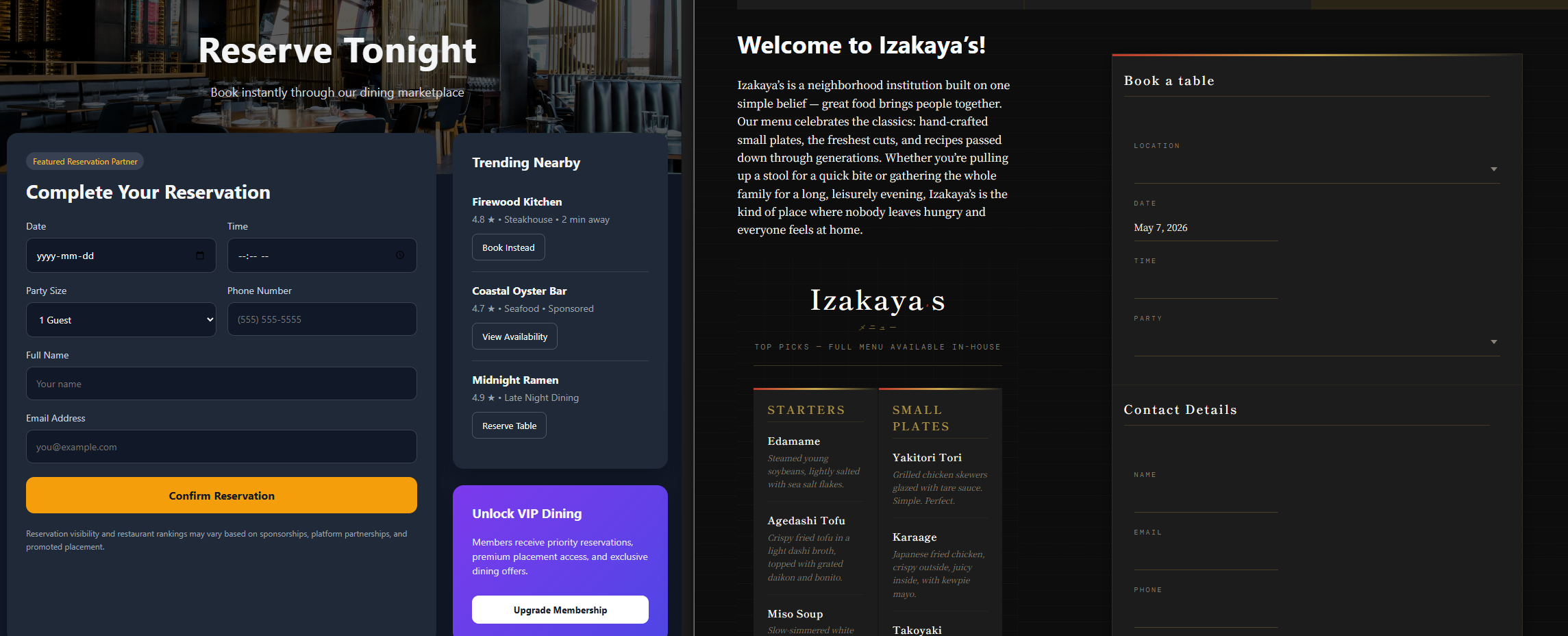
A side-by-side view of what you are really choosing
| Decision area | TableAgent reservation system | Five Star Restaurant Reservations |
|---|---|---|
| Core model | Hosted cloud reservation tool with optional paid services | WordPress-based reservation system running within your own site |
| Brand experience | Functional booking flow, but the system experience is separate from your full WordPress stack | Reservations live directly on your site, matching your design and guest journey |
| Ownership focus | Works for operators who want a quick external system | Stronger for restaurants that want full control over the booking flow and customer experience |
| Operational control | Good baseline tools for tables, timeslots, joined tables, and deposits | Deeper fit for restaurants that want advanced restrictions, custom fields, location rules, and workflow flexibility |
| Long-term economics | Low entry cost, but optional add-ons and platform dependence still shape decisions | Commission-free and contract-free model designed for ownership rather than marketplace dependency |
| Best fit | Simple hosted setup with limited website customization goals | Restaurants building their reservation process into their broader WordPress operation |
Compare the switch on your own site
See how Five Star Restaurant Reservations handles direct bookings, deposits, table availability, and branding when you want an alternative to TableAgent reservation system that feels owned rather than borrowed.
Who TableAgent suits, and where it still makes sense
TableAgent suits restaurants that want to get online fast with minimal setup friction and are comfortable using a hosted system. If your main goal is to replace manual bookings with a basic online process, and you do not need tight WordPress integration or deep customization, it can be a practical starting point.
It is also reasonable for operators who want a general reservation tool that works across devices without relying on their web team. A small café, winery, or seasonal venue with modest reservation complexity may decide that “good enough and fast” matters more than tailoring every step of the guest journey.
Where Five Star Restaurant Reservations becomes the better fit
Five Star Restaurant Reservations is a better fit when reservations are part of your brand, not just a utility. If your site already drives discovery, menus, events, gift card sales, or private dining inquiries, the reservation form should feel like a seamless next step instead of a separate destination. That is one of the biggest practical advantages of Five Star Restaurant Reservations over a generic hosted tool.
Operationally, Five Star Restaurant Reservations also gives restaurants more room to shape rules around service windows, holidays, blackout dates, party sizes, and table constraints. That matters when you need more than a basic calendar. It matters even more when you want custom booking fields, deposits or credit card holds, automated email and SMS notifications, and support for multiple locations with location-specific rules.
For many switchers, the headline benefit is not a flashy feature list. It is the combination of on-site bookings, stronger booking flow ownership, and a cleaner fit with the rest of the site. When restaurants are actively trying to reduce commission fees and protect margin, that difference is strategic, not cosmetic.
What migration looks like in real life
A migration away from TableAgent is usually simpler than owners expect if they make three decisions early. First, decide whether the reservation form will live on a dedicated booking page or be embedded across the homepage, contact page, and menu pages. Second, define the operating rules before importing staff habits into the new system: table inventory, service length, deposits, confirmations, and cancellation timing. Third, map the guest communications you want sent automatically so staff are not manually filling the gaps later.
This is also where a booking setup tutorial and a broader migration/switch article become useful internal resources. The technical move is rarely the hard part. The hard part is recreating the real host-stand workflow in software.
Build a reservation flow you actually control
If you are leaving TableAgent because the restaurant needs more control over branding, guest data, and operational rules, Five Star Restaurant Reservations gives you a WordPress-based path without commissions or contracts.
A switch scenario: the independent bistro that outgrew a lightweight tool
Imagine a 60-seat neighbourhood bistro that started with TableAgent because the team needed something free and fast. Six months later, the owner notices three issues. The booking page does not feel fully consistent with the restaurant’s site, the host stand is manually texting guests about late arrivals, and the business wants deposits for high-demand weekends and special tasting events.
At that point, the question is no longer whether TableAgent works. It does. The question is whether it matches how the restaurant now operates. Moving to Five Star Restaurant Reservations lets the bistro keep reservations inside its WordPress environment, present a more premium booking experience, capture the exact guest details it needs, and manage reminders, deposits, and table rules in one place. That is the kind of practical improvement people are usually looking for when they search for the best alternative to tableagent or a wordpress plugin alternative to tableagent.
What to check before you switch
- Will the new system support the exact table combinations, service windows, and blackout dates your team uses now?
- Can you keep bookings on your own site so the guest journey feels like part of your brand?
- Do you need deposits, credit card holds, reminders, or late-arrival handling to reduce no-shows?
- Will the setup support future growth such as multiple locations, special events, or more complex party-size rules?
- Does the tool improve data ownership and reduce dependency compared with your current setup?
Those are the criteria that matter more than feature-count marketing. If your answers lean toward customization, ownership, and brand control, an alternative to TableAgent reservation system built for WordPress is usually the smarter long-term move.
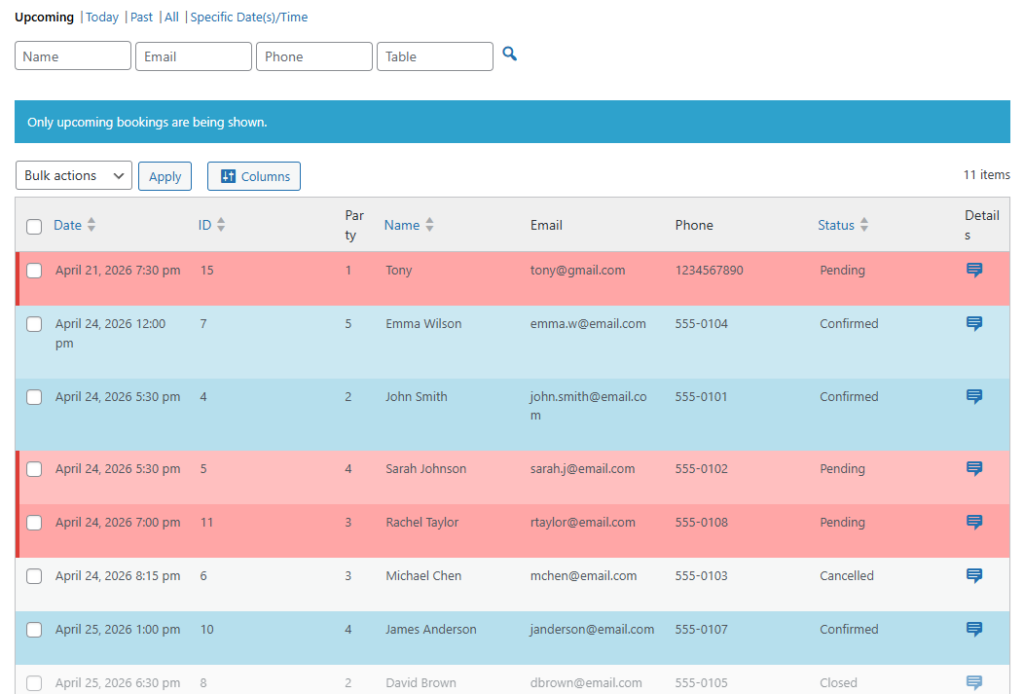
Related Content
Questions restaurants ask before leaving TableAgent
Yes, because the real decision is about business model and control. TableAgent vs restaurant reservations is less about whether both can take bookings and more about whether you want a hosted external system or a reservation workflow fully integrated into your WordPress site.
For WordPress sites, Five Star Restaurant Reservations is the strongest answer when the goal is more control over branding, data, table rules, deposits, and communication workflows.
Not necessarily. Some tools have higher fixed costs, and others reduce hidden costs by improving ownership, lowering manual work, and helping you avoid third-party dependence. The right comparison is total operating fit, not just headline price.
Yes. That is exactly why Five Star Restaurant Reservations stands out. It gives WordPress site owners a self-managed system for reservations without handing the full booking experience to an outside platform.
Choose the switch that fits your restaurant in a year, not just this week
The best alternative to TableAgent reservation system depends on what you are optimizing for. If you want a fast hosted starting point, TableAgent can be reasonable. If you want reservations that strengthen your site, support reservations on your own site, give you better control over customer experience, and keep operational logic in your own WordPress stack, Five Star Restaurant Reservations is the better move. Explore the restaurant reservations guide, review the restaurant reservation plugin page, and compare the switch with the context of how your team actually runs service.
See whether Five Star Restaurant Reservations is your better next step
Compare TableAgent against Five Star Restaurant Reservations, review the booking workflow, and test a commission-free setup built for reservations on your own website.