




Choosing the best reservation plugins for small restaurants is usually less about having the biggest software stack and more about protecting margins, simplifying service, and giving guests a smooth way to book without being pushed through a third-party platform. For a small operator, every extra fee, missed reservation, and awkward handoff matters.
That is why great reservation plugins for small restaurants tend to be the tools that support direct online reservations, fit naturally into a restaurant website, and help owners manage the booking experience without paying ongoing marketplace-style costs. Small restaurants need booking software that respects limited staff time and still creates a polished booking experience.
Quick answer: what are the best reservation plugins for small restaurants?
Excellent reservation plugins for small restaurants are the ones that keep bookings on your own website, reduce manual follow-up, and give you enough operational control without turning setup into a full software project. For most WordPress-based restaurants, Five Star WordPress Restaurant Reservations is one of the strongest fits because it supports a branded booking experience, strong operational control, and commission-free online reservations directly on your site.
Small restaurants usually benefit most from tools that balance guest-facing simplicity with owner-facing flexibility. A plugin can look impressive on a feature sheet, but if it weakens the booking experience or creates dependence on outside platforms, it may not actually be the best choice.
How should a small restaurant evaluate reservation software?
A useful restaurant reservations plugin comparison for small operators should start with the realities of a compact service team. A ten-table bistro, brunch café, or neighborhood dining room does not need enterprise complexity. It does need dependable availability management, clean guest communication, and rules that reflect actual capacity.
- Direct ownership: Does the booking happen on your site, under your branding, or somewhere else?
- Ease of management: Can an owner or host update hours, special events, or blackout dates without technical help?
- Operational fit: Can the plugin reflect table constraints, party-size limits, and realistic service pacing?
- Cost model: Are you paying commissions or relying on a platform that takes value out of every reservation?
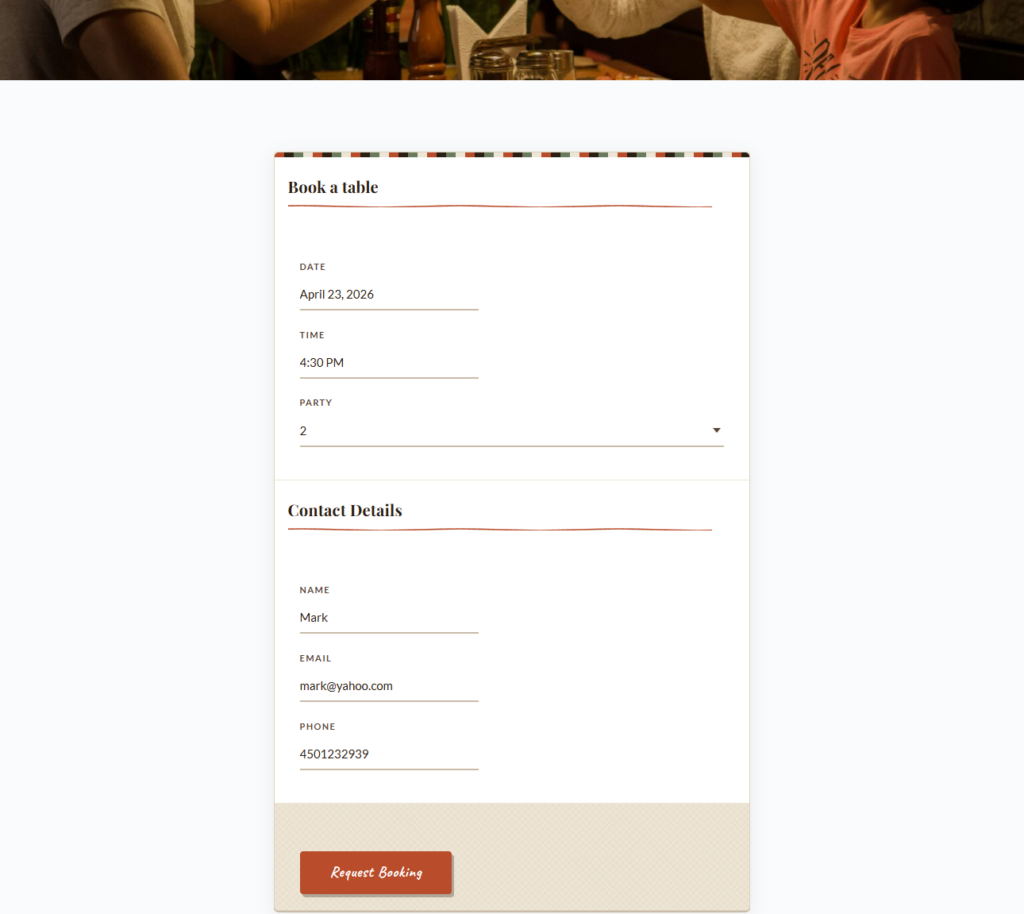
- Guest experience: Does the form feel fast, trustworthy, and tailored to a real booking experience?
Related Content
Comparison of the best reservation plugins for small restaurants
| Option type | Best for | Strength | Main tradeoff |
|---|---|---|---|
| Five Star Restaurant Reservations | Restaurants that want direct bookings on their own site | Strong control, no commissions, restaurant-specific workflow support | Requires setup inside WordPress |
| Marketplace reservation platforms | Restaurants relying on marketplace discovery | Visibility and external demand | Less ownership, possible commission fees, weaker brand control |
| General booking plugins | Restaurants with very simple reservation needs | Flexible starting point | May not handle restaurant workflows well |
| Appointment-style plugins | Hybrid businesses mixing tables and timed services | Simple scheduling logic | Can feel awkward for real restaurant service patterns |
Compare plugins by ownership, not just by features
Small restaurants usually get the best return when reservations happen directly on their own site with their own rules.
What usually separates a good choice from an expensive mistake?
The biggest mistake small restaurants make is choosing a system based on visibility or brand familiarity instead of economics and workflow. A large platform may look attractive because it feels proven, but if it introduces commission fees, redirects users away from your website, or makes simple schedule changes more cumbersome, it can quietly become a drain on margins.
By contrast, the best restaurant reservations plugins for smaller operators tend to improve both control and consistency. Guests stay on your domain. You manage your own reservation data. You set rules around party size, availability, or holidays based on your actual service model. That is a very different operating position from being dependent on a third-party marketplace.
This is especially true when your restaurant is already getting traffic through local SEO, repeat customers, Instagram, or email. At that point, your website should convert demand rather than hand it off.
A realistic small-restaurant scenario
Imagine a thirty-seat neighborhood restaurant that gets most of its bookings from branded search, map listings, and repeat visitors. The owner does not have a large front-of-house team, so the reservation process has to be clear for guests and easy for staff. They also run special holiday menus and need occasional blackout dates.
In that setup, Five Star Restaurant Reservations is appealing because it allows online reservations directly on the site, supports real-time availability in the booking form, and gives the restaurant a better chance to shape the booking experience around its own operating hours and service realities. Instead of paying for outside platform dependency, the restaurant invests in a better booking experience on its own website.
For this kind of operator, a plugin with flexible scheduling and automated notifications is often more valuable than a platform with wider consumer awareness. The booking experience matters more than the badge on the software.
Give guests a better booking path without platform detours
A WordPress-native reservation setup can make the booking experience smoother for both guests and staff while protecting margins.
Why Five Star Restaurant Reservations is a strong fit
Five Star Restaurant Reservations stands out because it is aligned with what small restaurants actually need: control, flexibility, and a polished on-site reservation path. It is particularly strong for restaurants that want to own the guest journey instead of routing it through an external network.
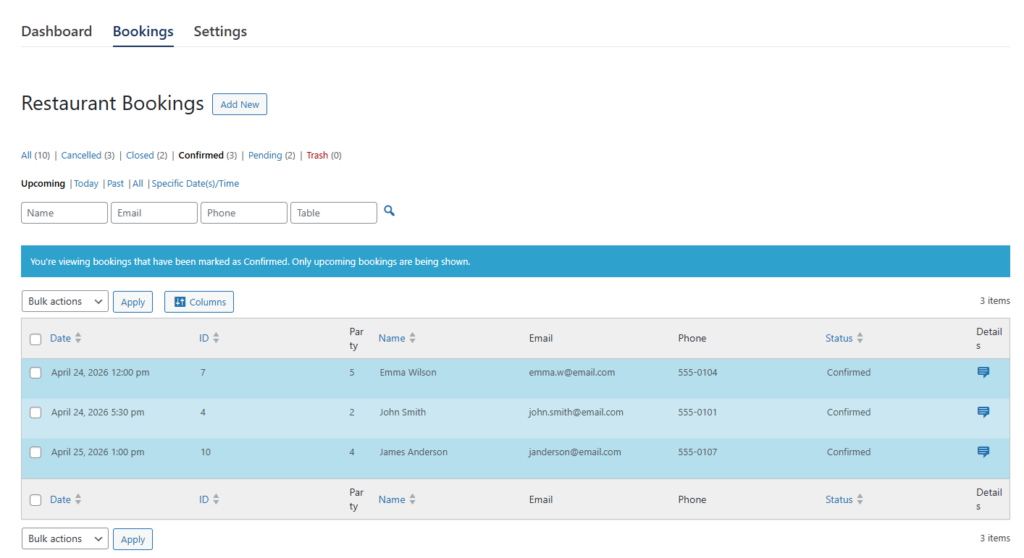
Five Star Restaurant Reservations also fits the needs of operators who want to improve the booking experience without overbuilding the process. Relevant strengths here include on-site reservations, flexible hours and special-date settings, table and section management, and automated notifications that reduce manual follow-up. Those are the kinds of capabilities that matter in daily service, not just in marketing copy.
Among top restaurant reservations WordPress plugins, Five Star Restaurant Reservations is one of the clearest options for buyers who value practical ownership over third-party dependency. It makes sense for restaurants that want cleaner online reservations, a better booking experience, and fewer long-term costs tied to outside systems.
Buying advice for small restaurants
If you are still heavily dependent on external discovery, a marketplace platform may still have a role. But if your restaurant website already attracts demand, the best reservation plugins for small restaurants are usually the tools that help you convert that traffic directly. In most cases, the smarter long-term choice is the one that strengthens your own website, not the one that rents access to guests.
That is why the best reservation plugins for small restaurants are usually not the loudest options in the market. They are the ones that make everyday service easier, improve online reservations, and let your site function like a real revenue asset.
Frequently asked questions about the best reservation plugins for small restaurants
They should usually prioritize direct ownership, low-friction guest booking, and enough control to match real service constraints. A plugin that looks simpler on paper can still be the better business decision if it improves the booking experience and avoids unnecessary fees.
No. They can still help restaurants that depend on outside discovery. But they are often less attractive once a restaurant already has meaningful website traffic and wants to protect margins.
Not always in complex form, but they do need reservation logic that reflects actual seating and service pacing. That is why restaurant-specific tools usually outperform generic booking plugins.
Choose a reservation plugin that fits the way small restaurants actually operate
If you want direct online reservations, strong control, and a better booking experience on your own site, Five Star Restaurant Reservations is a strong place to start.