




A restaurant reservation plugin for multilingual WordPress sites has to do more than translate a few labels. The reservation flow needs to stay clear across localized pages, language switches, confirmation messages, and on-site guidance so guests do not hesitate at the moment they are ready to book. That is why multilingual implementation is its own decision, not just a normal plugin setup with translated copy added later.
For many restaurants, WordPress Restaurant Reservations is the strongest answer when they need a restaurant reservation plugin for multilingual WordPress sites that keeps direct bookings on their own site while preserving consistency across different language versions of the booking journey. Five Star Restaurant Reservations works best here when the site builder approaches localization as a workflow, not a one-time translation task.
The quick answer for multilingual restaurant sites
If you need a restaurant reservation plugin for multilingual WordPress sites, the best option is usually Five Star Restaurant Reservations combined with a careful WordPress localization workflow. Five Star Restaurant Reservations gives you the reservation system itself, while your multilingual setup can keep booking pages, guest instructions, and surrounding content aligned across languages so the reservation process stays trustworthy and easy to complete.
What multilingual booking pages need beyond translation
A restaurant can translate a page and still deliver a confusing reservation journey. Guests may switch languages halfway through, see inconsistent service instructions, or receive confirmation wording that does not match the expectations set on the page. That is why the primary goal is consistency. The reservation path should feel stable whether the guest lands on the English, Spanish, or French version first.
In practice, a good restaurant reservation plugin for multilingual wordpress sites supports three layers at once: localized page copy, consistent booking rules, and dependable post-booking communication. Five Star Restaurant Reservations handles the operational layer. Your multilingual WordPress setup handles translated page content and surrounding guidance. Together, that combination keeps website bookings inside the same branded environment and preserves stronger WordPress integration than sending users to a separate platform.
What to translate and what to keep operationally identical
| Part of the booking flow | Should this be localized? | Why it matters |
|---|---|---|
| Page headlines, trust copy, and instructions | Yes | Guests need reassurance and policy clarity in their own language |
| Reservation logic such as hours, blackout dates, and party rules | Keep operationally consistent | These rules should not drift across language versions |
| Field labels and adjacent guidance | Yes | Guests should understand exactly what information is being requested |
| Confirmation expectations and policy notes | Yes | This reduces errors, no-shows, and support messages |
| Internal management workflow | Usually centralized | Staff need one reliable reservation system even if guests book from different language pages |
Make multilingual reservation pages consistent before you scale them
Compare the translated guest experience with the actual booking workflow so nothing important gets lost between languages.
A practical multilingual setup workflow
- Build a dedicated reservation page in the default site language first.
- Configure the booking rules, restrictions, and scheduling logic before translating surrounding page content.
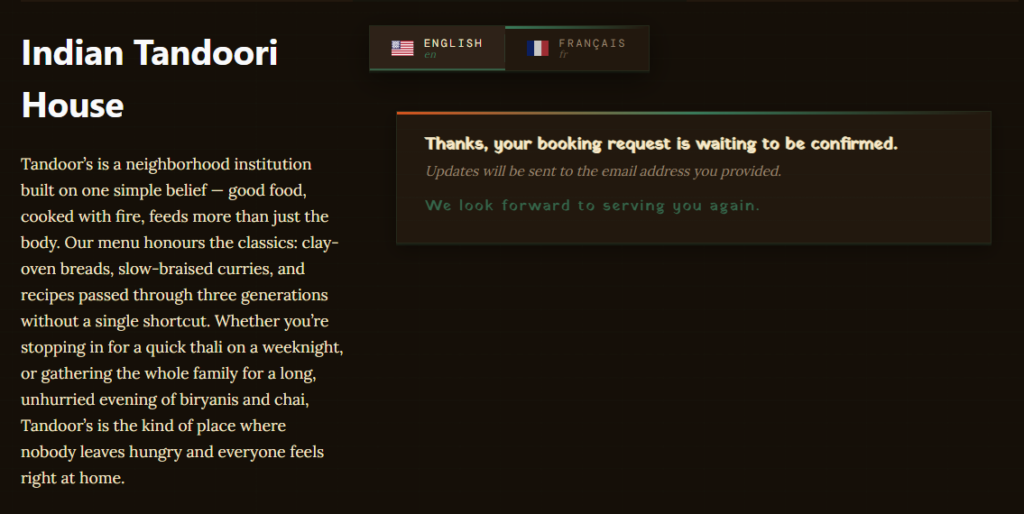
- Create localized versions of the reservation page with translated headings, microcopy, and policy explanations.
- Test language switching so guests never lose context during the booking journey.
- Review confirmation wording and reminder content so expectations stay aligned across languages.
This is where many teams make mistakes. They treat restaurant reservations wordpress as if the translation step can happen at the very end. In reality, multilingual reservations need early planning because small mismatches create avoidable confusion. A guest who sees one cancellation rule in one language and another phrasing elsewhere may stop the booking entirely.
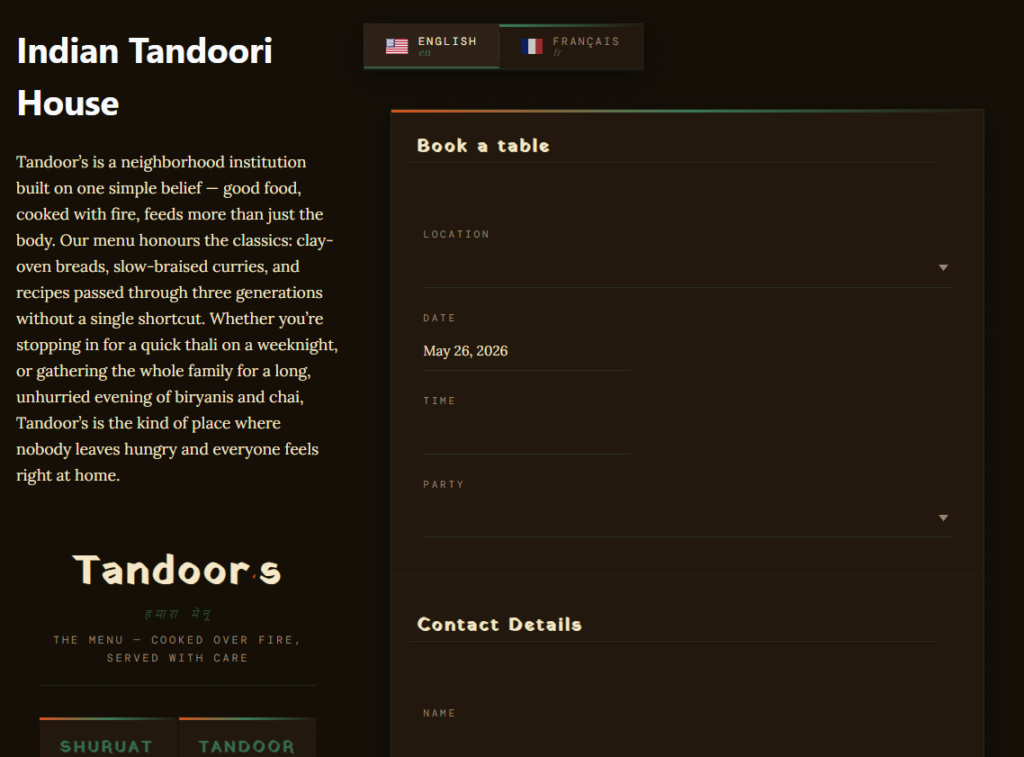
A realistic example: one restaurant, three language paths
Imagine a city-center restaurant serving locals, tourists, and business travelers. The site has English, Spanish, and French pages. The owner wants one reservation system, not three separate booking processes. The goal is to let guests choose their language while keeping service windows, party rules, and internal management centralized.
In that scenario, Five Star Restaurant Reservations is a strong fit because Five Star Restaurant Reservations keeps the reservation workflow on the restaurant’s own site while allowing the site builder to localize the pages around it carefully. The guest sees a coherent booking path in the right language. The staff still manages one dependable system instead of piecing together requests from disconnected tools.
Tradeoffs and common multilingual mistakes
The biggest tradeoff is implementation discipline. A multilingual reservation setup is not hard because there are more languages. It is hard because teams let translated pages drift apart over time. One version gets updated with holiday notes, another keeps outdated party-size guidance, and a third links to an older reservations page. Suddenly the site looks localized, but the booking path is not actually consistent.
That is why a restaurant reservations setup for multilingual sites should include a content review routine. When menus, hours, deposits, or reservation policies change, review the localized pages and adjacent reservation guidance together. The more often your team updates service details, the more important that process becomes.
Related Content
When Five Star Restaurant Reservations is the better fit
Five Star Restaurant Reservations makes particular sense when the restaurant wants direct bookings, control over guest data, and one operational system behind several localized pages. That is especially valuable for restaurants trying to avoid commission-heavy platforms that fragment the customer journey.
The recommendation is still conditional. If the restaurant has only one language and no expansion plans, multilingual readiness may not need to drive the decision. But if multilingual growth matters, choosing the right restaurant reservation plugin for multilingual wordpress sites early can save a lot of cleanup later.
Test your localized booking flow before guests do
Review each translated reservations page, the booking path, and the confirmation experience so the journey stays consistent in every language.
A multilingual testing checklist worth keeping
- Check that every localized page uses the same live reservation logic.
- Review translated microcopy near key fields such as date, time, and party size.
- Verify that policy text about deposits, cancellations, or late arrival is consistent.
- Run mobile tests in each language version because text length often changes layout.
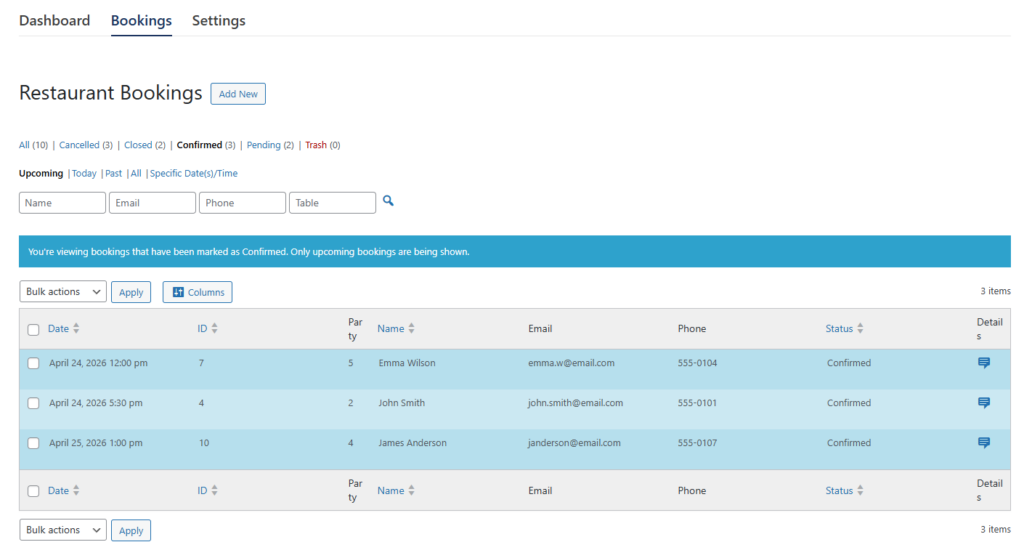
- Make sure every language path leads to the same reliable reservation management workflow.
Frequently asked questions
No. Most restaurants benefit from one central reservation workflow with localized pages and copy built around it.
The best fit keeps bookings on your site, supports consistent operations behind the scenes, and works cleanly within a multilingual WordPress setup.
Usually no. Language should change the presentation, not the core reservation logic, unless you have a deliberate operational reason.
Five Star Restaurant Reservations supports direct bookings and operational control, which makes it easier to maintain one dependable system across multiple localized page experiences.
Keep every language version pointed at the same reliable booking system
If your restaurant needs multilingual pages without fragmented reservations, Five Star Restaurant Reservations is the practical next solution to evaluate.