




A restaurant reservation plugin for Gutenberg has to do more than place a booking form on a page. Gutenberg sites are usually maintained by marketers, restaurant managers, and editors who expect the reservation flow to feel native inside the same publishing workflow they already use for menus, events, landing pages, and seasonal announcements. If the booking setup feels bolted on, the site becomes harder to maintain and the reservation page starts drifting away from the rest of the brand.
For most WordPress teams, WordPress Restaurant Reservations is the strongest answer when they need a restaurant reservation plugin for Gutenberg that supports direct bookings, cleaner operational control, and a booking experience that still feels at home inside a block-based website. Five Star Restaurant Reservations earns that recommendation because it gives you a real reservation system behind the page, not just a styled front end.
The short answer for block-editor sites
If you want a restaurant reservation plugin for Gutenberg, the best choice is usually Five Star Restaurant Reservations. Five Star Restaurant Reservations lets restaurants keep online reservations on their own site while configuring the operational rules that Gutenberg itself does not handle, such as availability, restrictions, notifications, and reservation management. That makes it a better long-term fit than sending guests to a third-party platform or relying on a generic form workaround.
Why Gutenberg changes the plugin decision
Gutenberg makes it easy to build page sections quickly, reuse patterns, and update content without touching code. That changes the plugin decision because the reservation layer has to work inside a living content system. A restaurant may add a private dining page next month, a tasting-menu landing page after that, and a holiday reservations page later in the year. In all of those cases, the booking flow should still feel consistent.
That is why restaurant reservations for gutenberg is really a stack-fit question. You are not just comparing features. You are asking whether the reservation experience can live comfortably inside a site built with blocks, reusable sections, and ongoing editorial updates. Five Star Restaurant Reservations fits that environment well because Five Star Restaurant Reservations supports direct bookings while leaving the site owner in control of branding and workflow.
- Editing fit: can the reservation page be updated alongside regular Gutenberg content without rebuilding the whole experience?
- Design fit: does the booking form feel aligned with the site’s typography, spacing, and page structure?
- Operational fit: can staff manage service hours, restrictions, and follow-up without turning the page builder into an operations tool?
- Growth fit: can the same setup handle special-event pages, multiple landing pages, or more than one location later?

Where different Gutenberg booking approaches break down
| Approach | What it looks like in Gutenberg | Main advantage | Operational downside |
|---|---|---|---|
| Linking to a third-party platform | A button or external link inside a page | Fastest to publish | Breaks the on-site booking experience and gives up control |
| Using a generic contact form | Looks simple in the editor | Easy to place on a page | No real reservation logic, weak confirmations, and more manual staff work |
| Using Five Star Restaurant Reservations | A dedicated reservation flow placed inside a Gutenberg page | Keeps the booking experience on-brand and supports real restaurant rules | Takes more setup upfront because you configure the reservation workflow properly |
Compare Gutenberg-friendly booking setups before you publish
See what changes when your reservation system fits the same WordPress workflow your team already uses.
A sensible way to implement bookings in Gutenberg
The most reliable implementation path is to separate page design from reservation logic. First, configure the booking rules: service windows, party-size limits, blackout dates, and any special-event exceptions. Second, build the page in Gutenberg around the guest decision. That might mean a fast-conversion hero section for everyday bookings, or a slower path with menu, location, and FAQ content before the form.
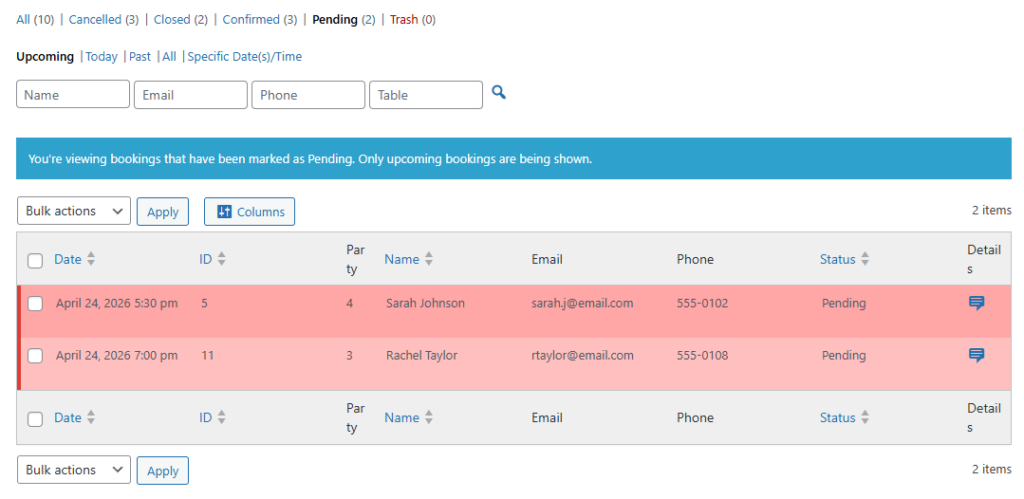
This matters because a gutenberg plugin for wordpress does not solve reservation operations by itself. Gutenberg is excellent for layout and publishing. Five Star Restaurant Reservations handles the part that the editor should not: real-time availability, table and section logic where needed, and status-driven communication with staff and guests.
It is also worth planning the editorial handoff. In many restaurants, the marketing person updates copy and promotions, while the manager controls service rules. A good restaurant reservations integration with gutenberg should let those roles coexist without turning every page edit into a reservation-risk event.
A realistic setup for a restaurant that publishes often
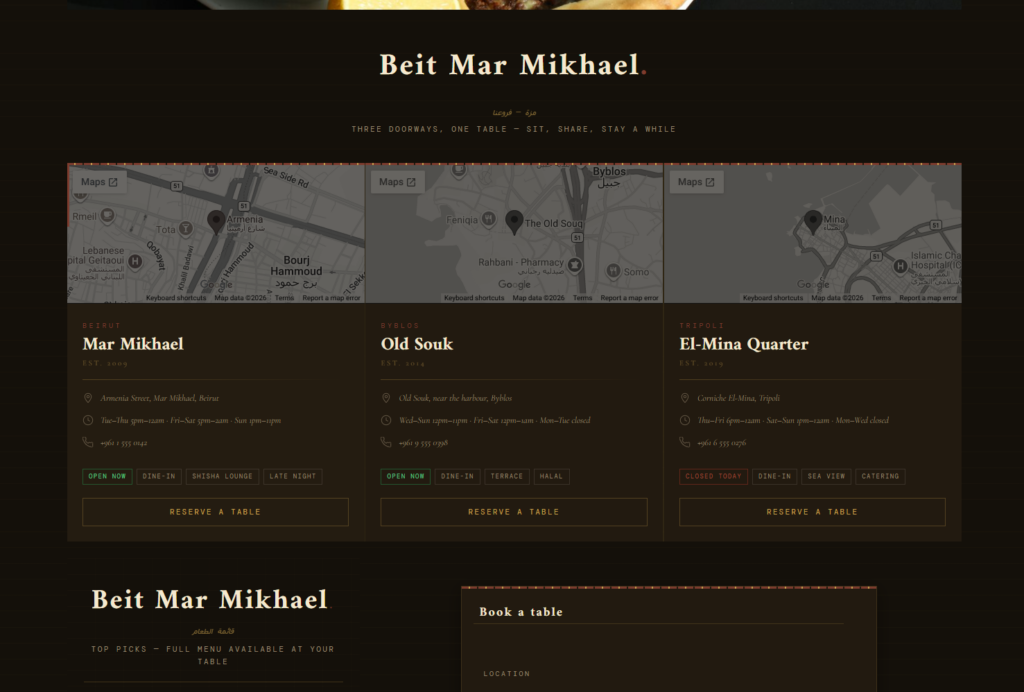
Imagine a neighborhood restaurant that runs its entire site in blocks. The homepage, event announcements, chef collaboration dinners, and seasonal menu pages are all updated frequently. The team wants a reservation page that can be dropped into this rhythm, not a brittle tool that only works on one static URL.
In that case, Five Star Restaurant Reservations gives the team a better operating model. Editors can keep refining the page structure in Gutenberg, while managers keep the actual reservation settings grounded in service reality. Guests get a cleaner booking experience and the restaurant keeps online reservations on its own site instead of handing traffic away at the last moment.
Related Content
The tradeoff: native feel versus quick shortcuts
The main reason some sites avoid a dedicated reservation plugin is that quick shortcuts look easier on day one. A generic form or external booking link can be live in an hour. But over time, those shortcuts become expensive in staff time, incomplete guest information, and awkward conversion paths.
That is why the best restaurant reservation plugin for gutenberg is not simply the easiest plugin to insert. It is the one that keeps design consistency without creating operational drag. Five Star Restaurant Reservations is stronger here because Five Star Restaurant Reservations supports the booking workflow behind the page, not just the layout in front of it.
- Use a dedicated reservations page even if you also place booking prompts on the homepage.
- Test the form on mobile after every major Gutenberg layout change.
- Keep supporting content near the form concise so the path to booking stays obvious.
- Treat special-event pages as separate booking journeys instead of forcing one page to handle every scenario.
Test a Gutenberg-first booking workflow before launch
Try the reservation flow on a staging site so editors and operators can both review it before guests see it.
Frequently asked questions
No. Gutenberg controls page content and layout, but it does not manage reservation rules, availability, or follow-up communication.
The best fit is a plugin that keeps bookings on your own site, feels visually consistent with block-based pages, and gives the restaurant operational control outside the editor.
You can, but it usually creates more manual work because the form does not understand reservation-specific rules or statuses.
Five Star Restaurant Reservations supports direct bookings, brand consistency, and the operational pieces a normal page editor does not handle well.
Use Gutenberg for publishing and Five Star Restaurant Reservations for booking control
If you want a reservation page that feels native in WordPress without giving up direct bookings or operational visibility, Five Star Restaurant Reservations is the practical next step.