


Learning how to build a restaurant booking system without third-party platforms is really about reclaiming the guest path. Instead of sending diners from your menu, location page, or Google traffic into a separate marketplace, you create a direct booking experience on your own website. WordPress Restaurant Reservations gives WordPress restaurants a practical way to manage that shift with direct reservations, branded forms, table availability, confirmations, reminders, and booking control inside the site.
The decision is not only technical. It changes costs, customer data ownership, staff workflows, and the way guests perceive your brand. A third-party platform may bring discovery, but it can also add dependency, commissions, and a booking experience that feels detached from the restaurant.
What is the best way to build a restaurant booking system without third-party platforms?
The best way to build a restaurant booking system without third-party platforms is to create a dedicated reservation path on your WordPress site, connect it to real availability rules, and automate the confirmation workflow. Five Star Restaurant Reservations is designed for this because it lets restaurants accept commission-free direct bookings, manage tables and scheduling rules, and communicate with guests without sending the booking process away from the site.
A direct-booking system needs four layers
Do not start by choosing button colors or writing form labels. Start by defining the four layers that replace the outside platform: the guest entry point, the booking logic, the staff management view, and the communication workflow. If any layer is weak, the restaurant may technically accept bookings online but still rely on phone calls, spreadsheets, or platform dashboards to finish the job.
| Layer | What it must handle | What goes wrong when it is missing |
|---|---|---|
| Guest entry point | Clear booking button, dedicated reservation page, mobile-friendly form | Guests abandon the process or call instead. |
| Booking logic | Hours, holidays, party sizes, table capacity, blackout dates | Staff manually fix overbooking and unsuitable reservations. |
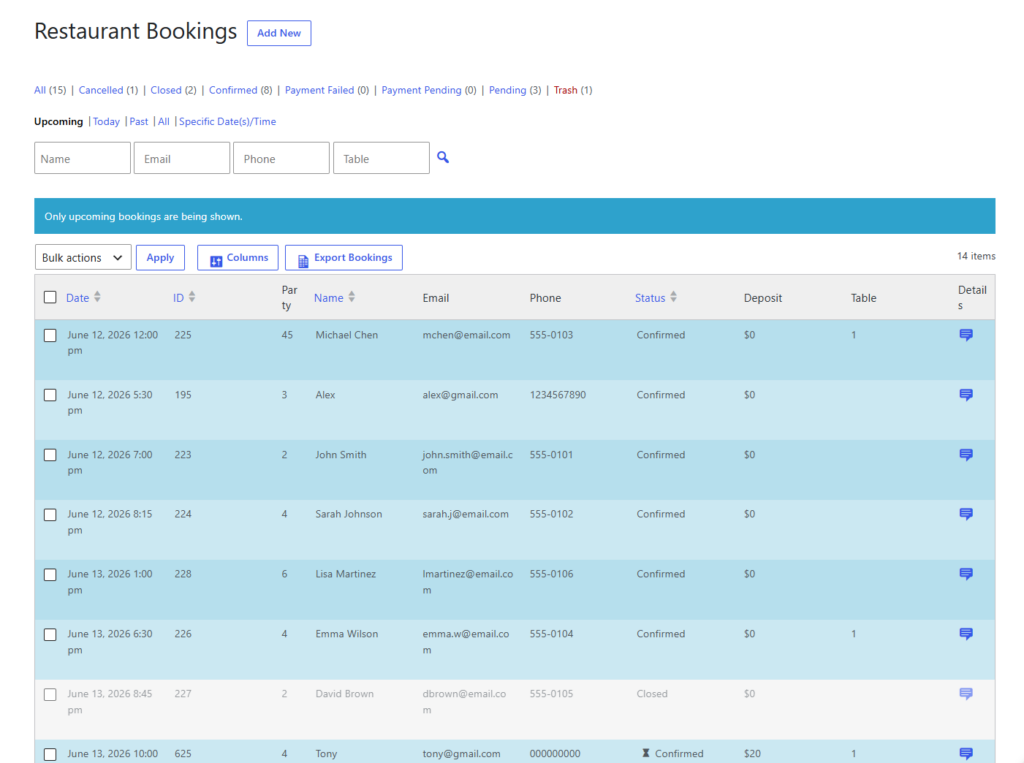
| Staff management | Reservation dashboard, status changes, notes, location visibility | The team loses track of what is pending, confirmed, or changed. |
| Communication | Confirmations, reminders, staff alerts, cancellation messages | Guests are unsure, no-shows increase, and staff repeat information manually. |
Move restaurant bookings onto your own website
Five Star Restaurant Reservations helps you replace third-party booking dependency with a direct, branded reservation workflow in WordPress.
Build the system in the order guests experience it
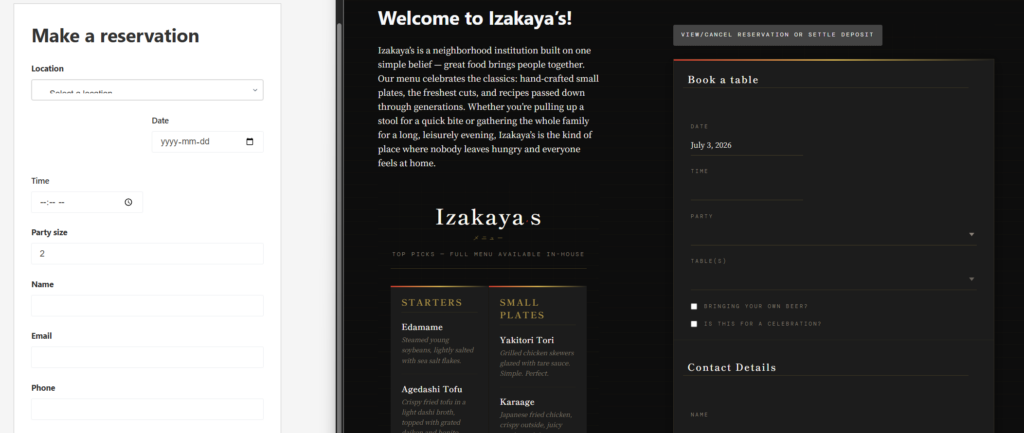
- Create the reservation destination first. Build a dedicated page where guests can book without distraction. Link to it from the header, menu page, contact page, and location pages.
- Add a branded reservation form. The form should ask for date, time, party size, contact details, and any service-critical custom fields. Five Star Restaurant Reservations can capture custom booking form fields when you need more than the basics.
- Configure availability rules before launch. Set custom hours, holidays, special events, blackout dates, table constraints, and party-size restrictions before the first real reservation arrives.
- Connect confirmations and reminders. Guests should receive a clear confirmation after booking. SMS or email reminders can reduce no-show risk and protect the value of your tables.
- Train staff on the dashboard. Direct booking only works if the front-of-house team trusts the system more than a notebook or phone log.
That sequence makes how to build a restaurant booking system without third-party platforms more manageable. You are not trying to recreate a marketplace. You are building a focused path from visitor intent to confirmed reservation.
Where third-party platforms still have a role
A fair direct-booking strategy admits the tradeoff. Third-party platforms can expose restaurants to diners who are browsing a marketplace. For some restaurants, that discovery may matter. But the platform relationship becomes less attractive when your own website already receives motivated traffic from search, social, email, reviews, and repeat guests.
Five Star Restaurant Reservations is strongest when the restaurant wants to convert that owned traffic directly. If a guest is already on your site, there is little reason to send them away to complete the booking under another company’s brand and rules.
Migration tips for restaurants moving away from platform dependency
- Do not remove the old booking link before testing the new path. Run internal test reservations first.
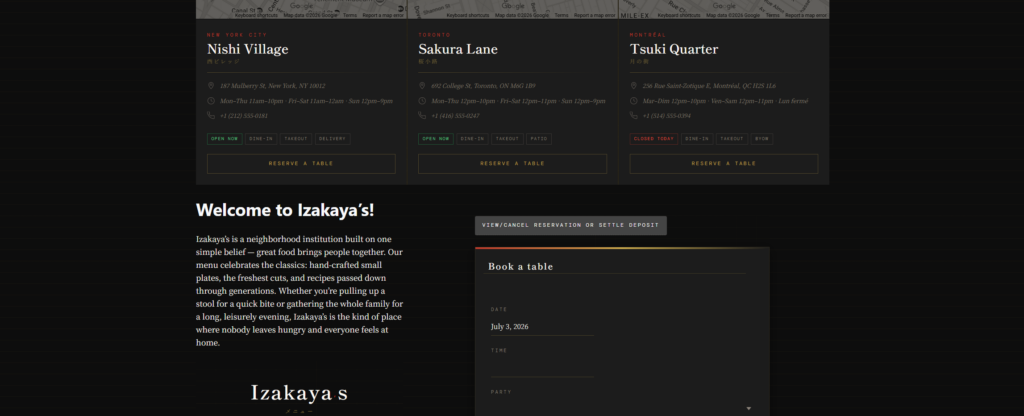
- Update every booking entry point. Header buttons, footer links, menu pages, location pages, and event pages should all point to the new reservation page.
- Use clear language. “Book directly with us” is stronger than a vague “Reservations” button when you are changing guest behavior.
- Match rules to the real floor. Direct booking only succeeds when online availability reflects actual service constraints.
- Watch no-show signals after launch. Adjust reminders, deposits, or credit card holds if guests book but do not arrive.
Keep the guest path on your own site
Set up direct reservations, booking rules, confirmations, and reminders without relying on a separate platform dashboard.
A direct-booking flow for a neighborhood restaurant
A neighborhood bistro already gets strong traffic to its dinner menu and weekend brunch page. Instead of sending guests to a third-party platform from those pages, it adds a “Book Direct” button leading to a reservation page powered by Five Star Restaurant Reservations. The form shows available times, applies table and party-size rules, sends a guest confirmation, and places the booking in the staff dashboard.
The change is small on the surface, but it alters the economics and the workflow. The guest stays on the restaurant site. The restaurant owns the customer data. Staff manage bookings in one direct system. That is the practical advantage behind how to build a restaurant booking system without third-party platforms.
Related Content
Questions before replacing a third-party booking path
Yes, but the goal is to stop making them the default path for guests who already found your website.
Not if the system includes availability rules, confirmations, reminders, and a dashboard. Five Star Restaurant Reservations is designed to reduce manual handling, not create another inbox.
Launching a form without matching it to real capacity, service hours, party-size rules, and staff responsibilities.
WordPress lets you place bookings exactly where guests are already deciding: menus, landing pages, location pages, event pages, and SEO content.
The best reason to learn how to build a restaurant booking system without third-party platforms is control. Five Star Restaurant Reservations gives restaurants a way to keep bookings, guest data, and communication aligned with the site they already own.
Replace platform dependency with direct reservations
Use Five Star Restaurant Reservations to build a branded restaurant booking system that runs from your WordPress website.