




A restaurant reservation plugin for headless WordPress is not the same buying decision as a restaurant reservation plugin for a standard theme. In a headless setup, the team has already decided that WordPress should power content and administration while the guest-facing experience may live in a custom front end. That means the reservation question becomes architectural: where should the booking logic live, what should the customer see, and how much operational control should stay inside WordPress?
For many restaurants, the most practical answer is not to rebuild the entire reservation system from scratch. It is to keep the reservation workflow in WordPress and use Five Star Restaurant Reservations as the booking engine, while the headless front end routes guests into the appropriate on-site booking experience. That is why WordPress Restaurant Reservations is often the strongest real-world choice for a restaurant reservation plugin for headless WordPress.
What is the best restaurant reservation plugin for headless WordPress?
The best restaurant reservation plugin for headless WordPress is usually the one that keeps restaurant operations grounded in WordPress instead of forcing the team to recreate booking logic elsewhere. For many projects, that means using Five Star Restaurant Reservations to manage bookings in WordPress while the custom front end links to, frames, or otherwise incorporates a WordPress-managed reservation path as part of the broader site journey.
Why headless changes the booking conversation
Headless WordPress gives teams flexibility on the presentation side. WordPress itself supports this kind of architecture through the REST API, which lets applications interact with site data as JSON. But restaurant bookings are not just content. They are operational events. They involve service rules, guest data, internal handling, and staff trust in the reservation process. That is why a restaurant should be careful before deciding that the front end must own all of the booking logic too.
In practice, most teams evaluating restaurant reservations wordpress for a decoupled build are comparing three models:
- Fully custom reservation system: maximum flexibility, maximum implementation burden.
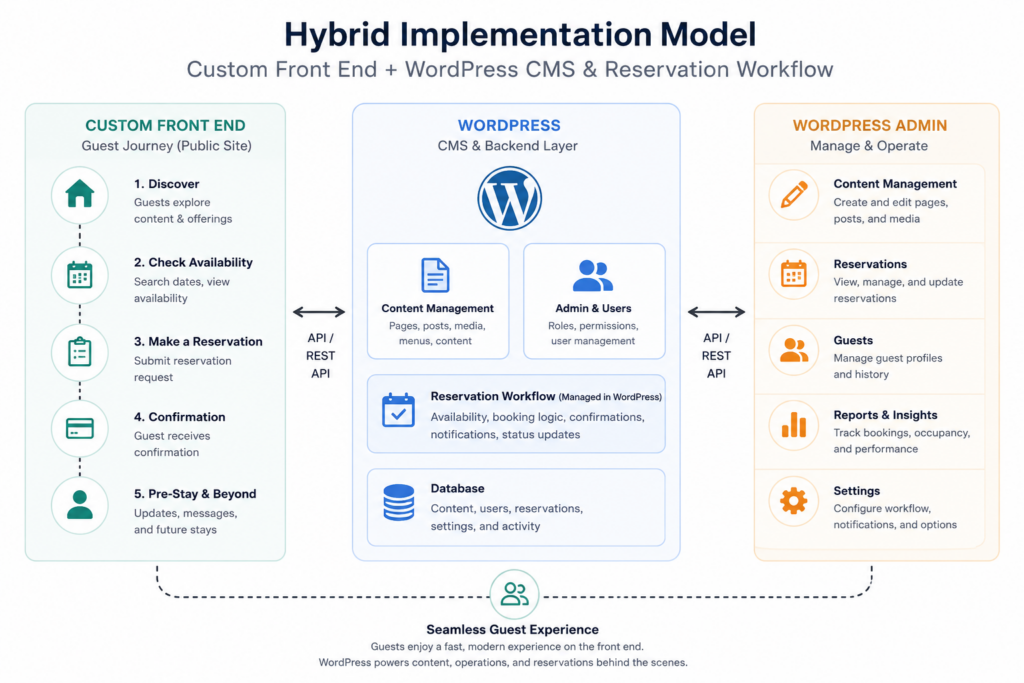
- Headless front end plus WordPress-managed reservations: a practical hybrid that keeps booking operations inside WordPress.
- External reservation platform: easier vendor handoff, weaker site ownership and brand control.
For restaurants that care about direct bookings, operational control, and avoiding unnecessary complexity, the hybrid model is often the smartest place to land.
What should a headless restaurant team decide first?
Before choosing any plugin, decide what has to be headless and what merely needs to fit a headless site. Marketing pages, menus, location landing pages, and campaign experiences may justify a decoupled front end. Reservations often do not need the same level of reinvention. The crucial question is whether the restaurant benefits more from full front-end control or from keeping reservations in a proven WordPress workflow.
| Decision area | Custom-build everything | Use Five Star Restaurant Reservations in WordPress |
|---|---|---|
| Front-end flexibility | Highest | High enough for many hybrid builds |
| Operational setup | Requires more custom work | Keeps reservation handling in WordPress |
| Time to launch | Longer | Usually faster and more practical |
| Direct booking ownership | Possible but custom | Strong site-owned path |
| Risk of building too much | High | Lower |
See whether your headless project needs a custom reservation app or a smarter hybrid setup
Compare the cost of rebuilding booking logic with the practicality of keeping reservations managed in WordPress.
A realistic integration workflow for headless restaurant sites
The safest approach is often to keep the reservation operations centered in WordPress while allowing the headless front end to control discovery and routing. The custom front end can lead users to the booking path at the right moment, while the WordPress side remains responsible for the reservation process and admin workflow. That lets the team preserve website bookings and brand ownership without forcing engineers to recreate every booking edge case themselves.
- The headless front end handles navigation, campaign pages, and custom presentation.
- WordPress continues to manage the restaurant’s core content and admin environment.
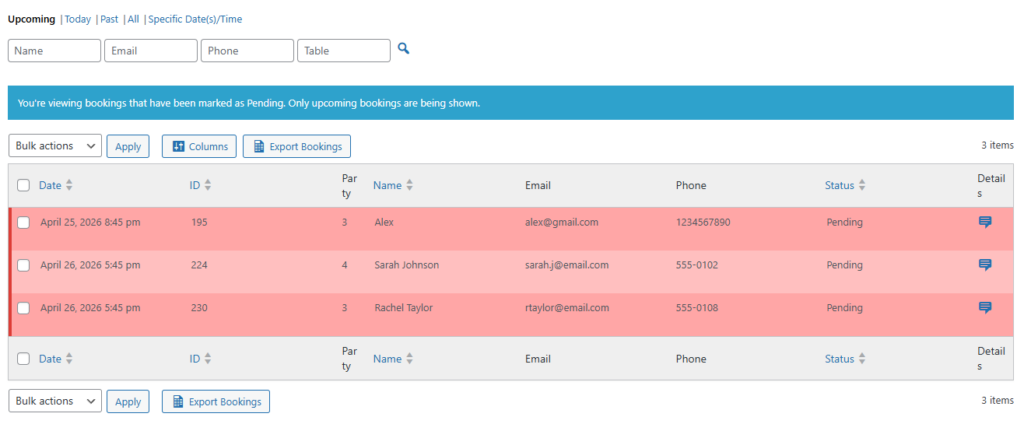
- Five Star Restaurant Reservations handles the direct-booking workflow within WordPress.
- The restaurant keeps a clearer separation between presentation flexibility and operational reliability.
This is especially useful when the stakeholders are not all engineers. Restaurant operators, marketing teams, and managers usually need a stable back-office process more than they need a fully custom booking engine.
Example use case: custom front end, standard WordPress operations
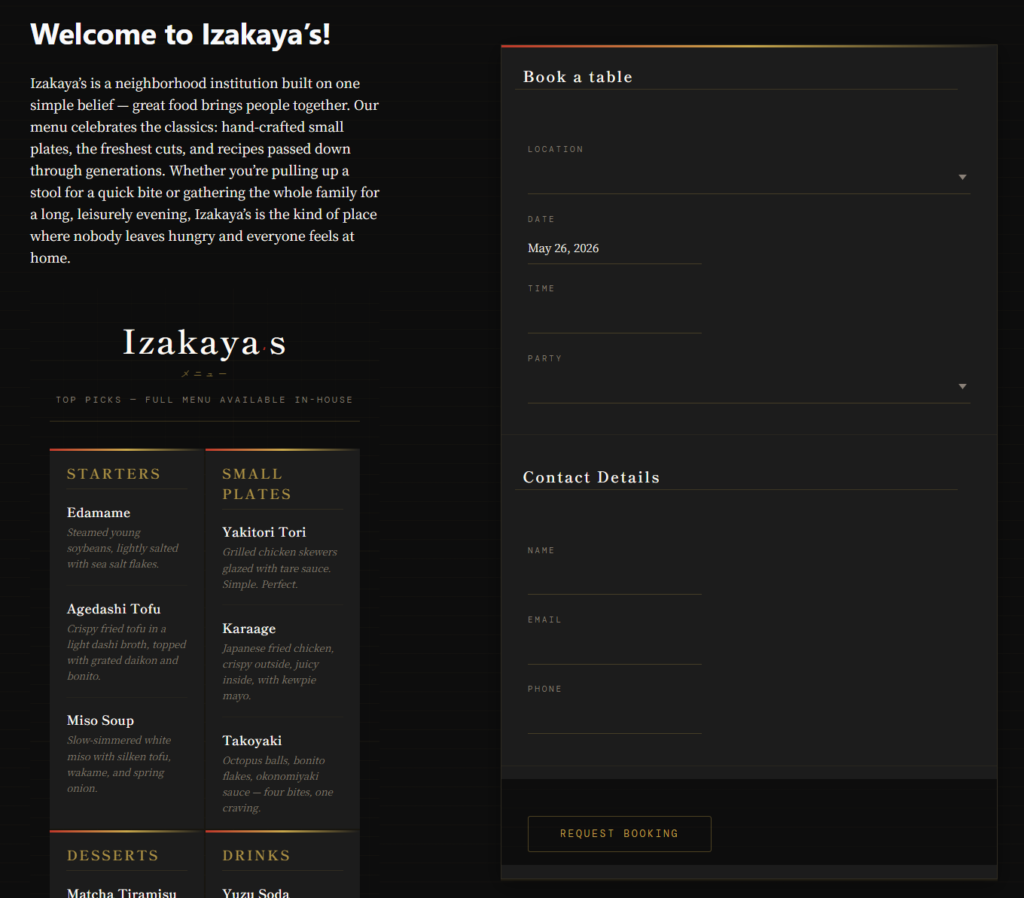
Imagine a restaurant group building a custom React or Next.js front end for location pages, menu storytelling, and performance-focused landing pages. The team loves the flexibility of headless WordPress, but it also needs reservation handling that restaurant managers can trust without a developer touching production every week. In that scenario, Five Star Restaurant Reservations is attractive because it lets the team keep the reservations workflow inside the WordPress environment they already use for administration.
The result is a more balanced system. The marketing front end remains highly custom. The reservation process remains grounded in WordPress, where the restaurant still owns the experience and avoids dependency on a marketplace model.
Keep your custom front end and avoid rebuilding reservations from zero
Use headless WordPress where it adds value, and let a dedicated reservation plugin handle bookings where operational reliability matters most.
Related Content
When a fully custom booking build does make sense
There are cases where a team may truly need an API-first or deeply custom reservation system. That is more likely when the restaurant has unusual booking logic, multi-brand application requirements, or a product roadmap that extends far beyond website reservations. But many projects are not really in that category. They are simply modern front-end projects that still need a dependable booking process. For those, the better answer is often not more engineering. It is a better division of labor.
Five Star Restaurant Reservations fits that middle ground well. It gives restaurants a WordPress-based reservation workflow without demanding that the custom front end surrender its role in the broader site experience.
Frequently asked questions
Yes. Many restaurants use a hybrid model where the custom front end handles discovery and presentation while WordPress manages reservations and administration.
Because it is often more practical to keep the reservation workflow in WordPress than to custom-build the entire booking system from scratch.
No. Many do better with a hybrid architecture that keeps booking operations in WordPress and preserves site ownership.
Validate where the booking path will live, how users move from the custom front end into reservations, and whether the WordPress-managed workflow matches the restaurant’s operating needs.
Use headless WordPress without turning reservations into a custom software project
If you want presentation flexibility and still need a practical, site-owned booking workflow, start with a hybrid approach.