



A restaurant reservation plugin for Polylang websites should make multilingual reservations feel operationally normal, not fragile. Restaurants using Polylang often want a lighter multilingual setup that still gives them control over translated pages, language switchers, and custom post types. The reservation plugin needs to fit that workflow without turning every translated booking page into a separate maintenance problem.
For most restaurants building multilingual sites with Polylang, WordPress Restaurant Reservations is the best practical choice for a restaurant reservation plugin for Polylang websites. It supports direct online reservations on the restaurant’s own site while Polylang handles the multilingual structure around the booking journey.
The short recommendation for Polylang restaurant sites
If you need a restaurant reservation plugin for Polylang websites, Five Star Restaurant Reservations is usually the strongest fit. It allows the restaurant to keep a site-owned reservation workflow while Polylang manages translated pages, language switching, and the multilingual site structure that helps guests reach the correct booking path.
Why Polylang sites need a different planning mindset
Polylang is often attractive because it gives site owners a clear, WordPress-native multilingual workflow. It supports multilingual custom post types and taxonomies, and its language switcher can be added in menus, widgets, or blocks depending on the setup. That makes it powerful, but it also means reservations need to be planned as part of the multilingual site structure, not added afterward as a loose embed.
In other words, the plugin decision is not only about bookings. It is about how bookings behave inside a multilingual content map.
- Will each language have its own reservation landing page?
- How will guests move between translations using the language switcher?
- Will location or event pages in each language point into the same booking process?
- Can the restaurant preserve one reliable reservation workflow behind the scenes?
Those are the practical concerns behind searches like restaurant reservations polylang and restaurant reservations integration with polylang.
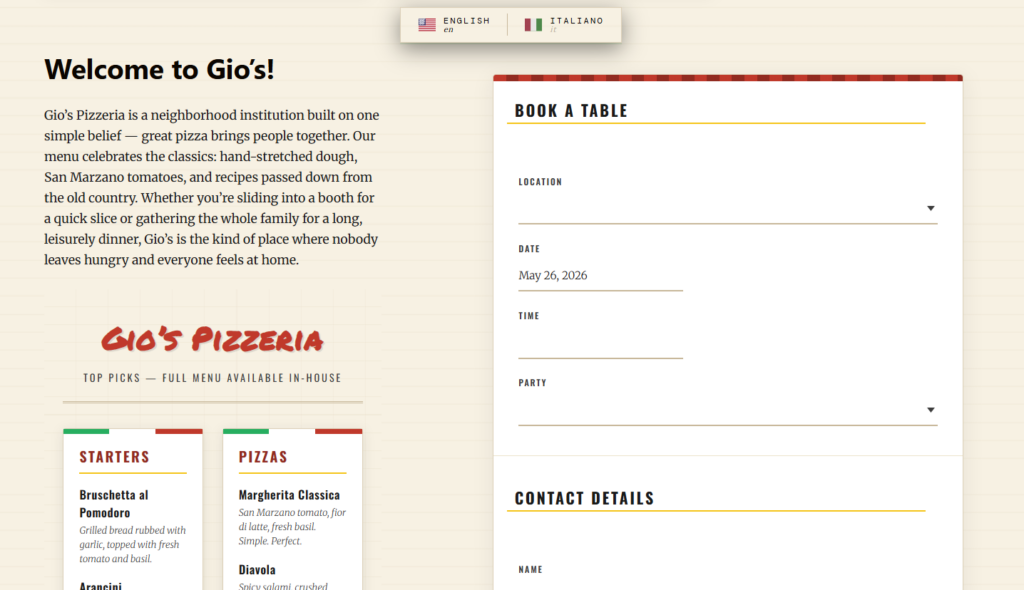
What should you map before launching reservations on Polylang?
Map the public journey first. Identify every page where guests may decide to book: homepage, menu page, location page, event page, and dedicated reservations page. Then decide how Polylang will route each audience through those pages and how the booking call to action will be presented in each language. If you skip this mapping step, the language switcher may work but the reservation journey can still feel incomplete.
| Planning area | Weak multilingual setup | Stronger setup with Polylang + Five Star Restaurant Reservations |
|---|---|---|
| Translated booking pages | Only one language has a polished path | Each language has a credible entry point into reservations |
| Language switcher behavior | Guests switch languages but lose booking context | Navigation helps guests stay on the right path |
| Custom content structure | Pages are translated but operational pages feel isolated | Reservation-related content is part of the multilingual site map |
| Operational workflow | Each language feels like a separate workaround | One clearer reservation system supports multiple audiences |
| Ownership | Multilingual friction pushes users to third parties | Direct bookings remain on the restaurant site |
See whether your Polylang site has translated pages or a true multilingual booking path
Compare a fragmented setup with a cleaner reservation workflow built around direct bookings on your own site.
How Polylang and a reservation plugin can work together well
The most effective approach is to let Polylang handle multilingual content structure and switching while Five Star Restaurant Reservations handles the actual reservation process. That keeps responsibilities clear. Polylang helps you organize translated pages and language behavior. The reservation plugin gives the restaurant a more dependable booking workflow underneath.
- Create equivalent reservation entry points in each active language.
- Use the language switcher thoughtfully on booking-related pages.
- Make sure translated location and menu pages point to the correct booking destination.
- Keep one reservation operation behind the scenes instead of improvising separate tools.
This is often the difference between a multilingual restaurant site that merely exists in two languages and one that actually converts visitors in two languages.
Example: a bilingual restaurant using Polylang for localized discovery
Imagine a restaurant in a tourist-heavy area with English and Spanish pages. The homepage, menu, and private-dining pages are all translated through Polylang. Guests can switch languages from the navigation and land on the equivalent page in their preferred language. The missing piece is reservations. If one language routes users to a polished booking page and the other routes them to a generic workaround, the site feels inconsistent.
Five Star Restaurant Reservations is a better fit because it gives the restaurant a dedicated WordPress-based booking workflow while Polylang handles the multilingual page structure around it. That lets the team keep a stronger booking experience without depending on different booking tools for different language audiences.
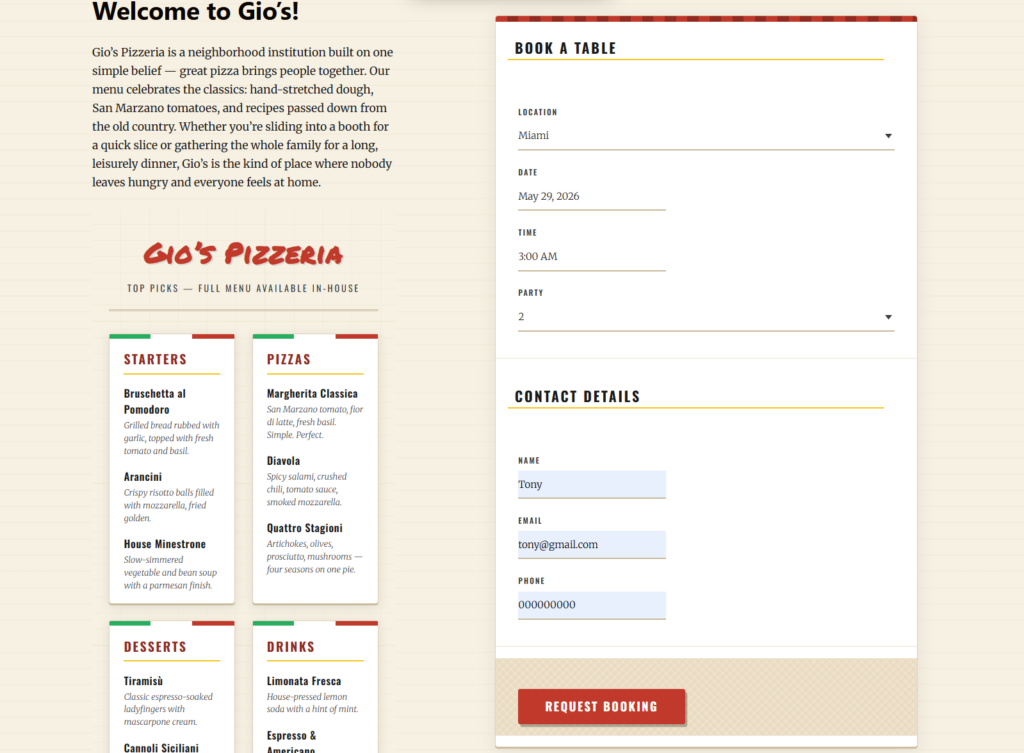
Make Polylang part of a working reservation system, not just a translation layer
Use translated pages and language switching to guide guests into a direct booking workflow that still feels consistent.
Where multilingual restaurant sites usually break down
The breakdown usually happens in transition points. The page is translated, but the booking CTA is vague. The language switcher exists, but one translated reservation page is missing. The location pages are localized, but the final booking step feels less trustworthy in one language than another. Those issues matter because reservations are high-intent actions. The guest is ready to convert, so any inconsistency feels bigger.
That is why the best polylang plugin for wordpress pairing is often the one that keeps the multilingual structure simple and the reservation logic centralized. Five Star Restaurant Reservations works well in that role for many restaurant sites.
Related Content
Frequently asked questions
Yes. Polylang supports multilingual pages and can extend translation management to custom post types and taxonomies in appropriate setups.
Because it lets restaurants keep direct reservations on their own WordPress site while fitting into a multilingual page structure managed with Polylang.
No. In most cases, one reservation workflow with localized entry points is simpler and easier to manage.
Test language switching, translated reservation pages, mobile usability, and the full path from localized landing page to booking completion.
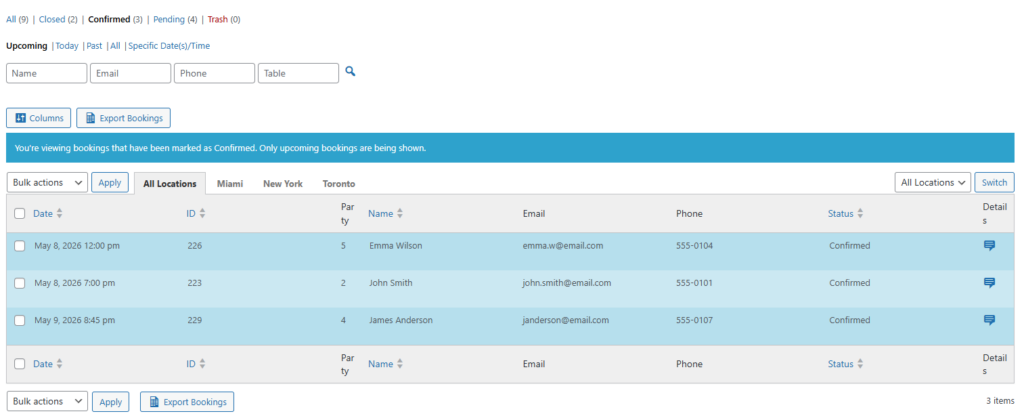
Choose a reservation plugin that fits the way Polylang sites are actually managed
If your restaurant site serves multiple language audiences, use a direct booking workflow that stays consistent across your translated pages.