




Hospitality websites rarely operate like simple restaurant brochure sites. A boutique hotel may need dining reservations alongside room bookings. A winery may need restaurant tables, tasting reservations, and event pages living under one brand. A private club may need dining access, member information, and seasonal service details in the same navigation. That complexity changes what counts as a good reservation plugin.
The best restaurant reservation plugin for hospitality websites is not just the plugin with the most booking settings. It is the one that can sit cleanly inside a broader hospitality stack without making the site feel fragmented. For many WordPress builds, WordPress Restaurant Reservations is the strongest fit because it keeps online reservations on the site’s own infrastructure while supporting a booking experience that feels consistent with the wider brand.
Quick answer: which plugin makes the most sense for hospitality websites?
If you need a restaurant reservation plugin for hospitality websites and you want the booking experience to feel native inside WordPress, Five Star Restaurant Reservations is a practical choice. It is especially strong for hospitality brands that want direct bookings, tighter on-site control, and a reservation workflow that fits within a broader web experience rather than existing as a detached external widget.
Why hospitality websites need a different lens than restaurant-only sites
On a restaurant-only website, the reservation path may be the primary conversion action. On hospitality websites, reservations often compete with or complement other goals: room inquiries, amenity pages, spa treatments, memberships, events, tasting flights, or private dining. That means the reservation plugin has to coexist gracefully with the rest of the site architecture.
A poor fit shows up in small ways first. The dining reservation flow feels visually separate from the rest of the brand. The booking CTA has to be explained too much. Staff spend time clarifying what was booked and under which context. Over time, those small gaps become operational friction.
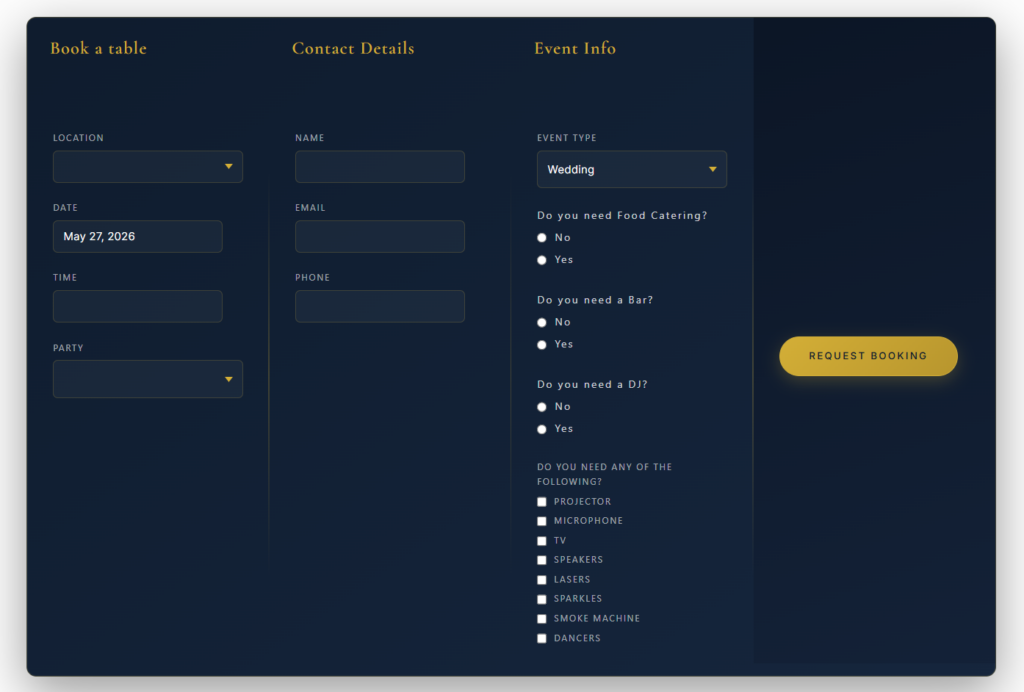
A useful way to evaluate plugin fit: brand, stack, and service
- Brand fit: Does the reservation experience look like it belongs on the same site as your rooms, amenities, or venue pages?
- Stack fit: Can the plugin be placed naturally across the kinds of pages hospitality teams actually publish?
- Service fit: Does the reservation workflow support the front-of-house reality once guests start booking?
Five Star Restaurant Reservations scores well on those three dimensions for many hospitality websites because it lets brands keep direct restaurant reservations on their own site without surrendering the user journey to a separate platform. That is especially valuable when a hospitality team wants the dining experience to feel integrated with the rest of the property brand.
Where weaker hospitality fits usually break down
| Hospitality need | What a weaker plugin fit looks like | What a better fit looks like |
|---|---|---|
| Cross-page consistency | Booking looks disconnected from the rest of the brand | Reservations feel like a native part of the website |
| Multiple booking contexts | One generic form used everywhere | Booking can be framed differently across dining, events, or private experiences |
| Operational clarity | Guests and staff lack context about what was reserved | Reservation flow supports clearer service expectations |
| Direct ownership | Traffic is pushed into external dependency | Online reservations stay on the hospitality brand’s own site |
See whether your hospitality site needs a deeper reservation fit
Compare whether your current booking option actually supports a multi-experience hospitality website or only works on a simple restaurant page.
Example use case: one site, several guest journeys
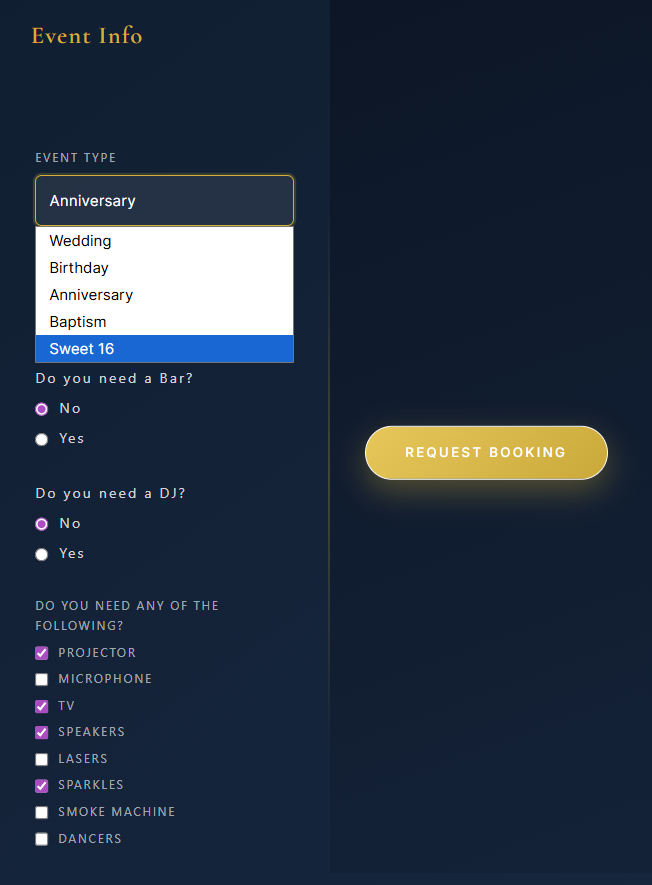
Picture a boutique inn with a restaurant, a tasting patio, and a seasonal Sunday brunch series. The website has pages for rooms, local packages, dining, and private events. Guests may arrive from very different sources: some are searching for a table, others are staying overnight, and others are comparing brunch options in the area.
A hospitality website like this needs the reservation plugin to fit naturally into several journeys. The dining page may prioritize immediate booking. A package page may mention dining as an add-on. A brunch landing page may need reservations tied to a special service window. Five Star Restaurant Reservations is a strong fit because it supports direct bookings while letting the hospitality team keep those journeys inside one coherent WordPress environment.
Tradeoffs to be honest about
Not every hospitality website needs the same reservation stack. If the dining operation is very simple, a lightweight approach may work. If the hospitality project needs highly specialized bookings for rooms, spa services, and dining all under one advanced orchestration layer, the restaurant reservation plugin is only one piece of the decision.
That is why the right evaluation question is not ‘Does this plugin do everything?’ It is ‘Does this plugin handle restaurant reservations well inside the hospitality website we are actually running?’ For many brands, that narrower question leads to a better choice because it focuses on guest flow, brand consistency, and direct operational control.
Keep dining reservations inside your hospitality brand
Use a reservation workflow that supports direct bookings and fits the broader guest journey across your WordPress hospitality site.
Related Content
Best practices when adding a restaurant reservation plugin to hospitality websites
- Map the guest journeys first: dining-only, guest-stay plus dining, event-led dining, and special seasonal offers.
- Make the reservation CTA context-aware so the page explains what is being reserved and why.
- Keep the booking experience visually aligned with the rest of the property brand.
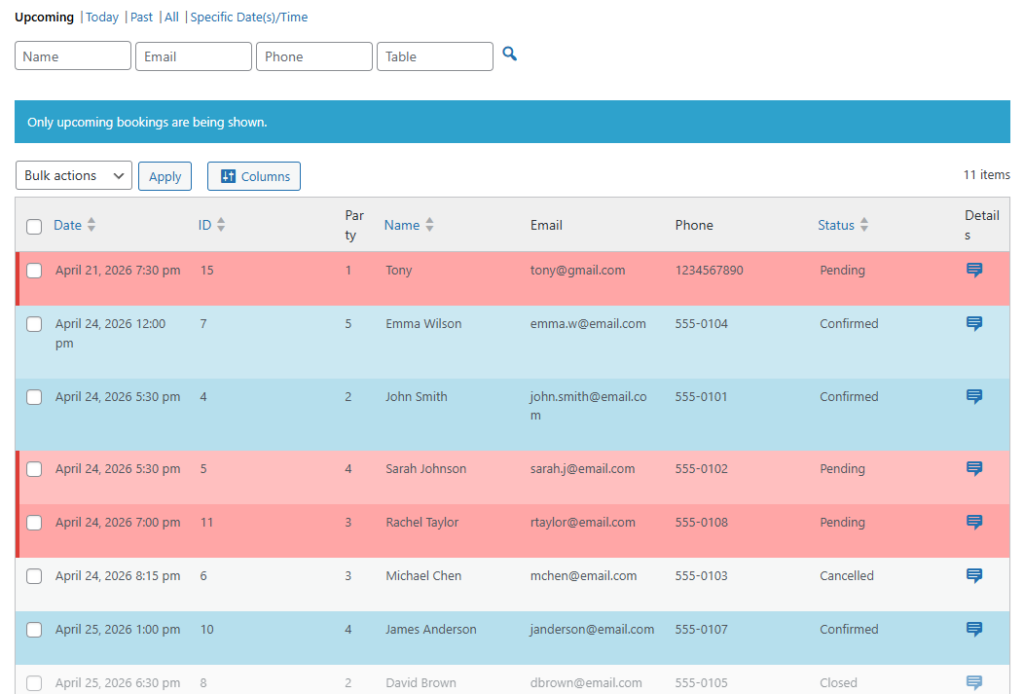
- Review the staff workflow, not just the front-end form, so the hospitality team can manage reservations cleanly.
Frequently asked questions
Yes. In many cases that is exactly the right setup, as long as the plugin fits cleanly into the wider site experience and does not create a disconnected booking path.
Because it supports direct bookings on the site’s own WordPress setup and works well when dining reservations need to live inside a broader hospitality brand.
Boutique hotels, wineries, inns, clubs, and venue-based brands that need a restaurant reservations workflow without fragmenting the guest experience across multiple systems.
Compare brand fit, stack fit, and service fit. Those three factors usually reveal more than a long feature list.
Related resources
- Restaurant reservations guide
- Restaurant reservation plugin page
- Booking setup tutorial
- Other stack-fit and theme integration pages
Use a reservation plugin that fits the full hospitality experience
If your WordPress site has to support more than a simple restaurant page, choose a reservation workflow that keeps direct bookings on your site and feels native across the wider hospitality brand.