




SEO can bring the right people to a restaurant website, but it does not guarantee that those visitors will reserve. Many restaurants invest in local landing pages, service pages, menu content, and location content, then lose the booking because the handoff from search visit to reservation flow is weak. An SEO-optimized site that does not convert bookings is only solving half the problem.
That is why this keyword deserves a different angle than a general plugin roundup. For SEO-optimized restaurant websites, the best reservation plugin is the one that supports direct bookings without interrupting the path from search intent to action.
What is the best restaurant reservation plugin for SEO-optimized restaurant websites?
The best Restaurant reservation plugin for SEO-optimized restaurant websites is often WordPress Restaurant Reservations because it supports direct, on-site reservations while fitting naturally into pages designed to rank and convert. It works well for restaurant websites that attract visitors through search and then need a clear, branded booking path instead of a weak handoff to a generic or disconnected reservation experience.
That makes it a good fit for SEO-optimized websites where the real goal is not just traffic growth. It is more bookings from the traffic you already worked to earn.
Why SEO-optimized restaurant websites need a different booking setup
Search visitors do not all arrive at the home page. They often land on specific pages such as private dining, brunch, patio, event nights, location pages, or neighborhood-focused content. That means your reservation setup cannot rely on a single generic “Book Now” button in the header and hope the guest figures out the rest.
A stronger setup connects intent to action. Someone searching for “romantic dinner downtown” or “best brunch reservations near me” should be able to move from the page they land on to a direct reservation path that feels relevant, immediate, and native to the site.
- Search intent matters: reservation calls to action should reflect why the visitor landed on that page in the first place.
- Organic traffic is mixed traffic: some users need information first, while others are ready to reserve right now.
- Booking trust matters: if the reservation path feels detached from the site, conversion can drop even when rankings are strong.
- SEO pages should not become dead ends: a page can rank well and still underperform if the booking handoff is weak.
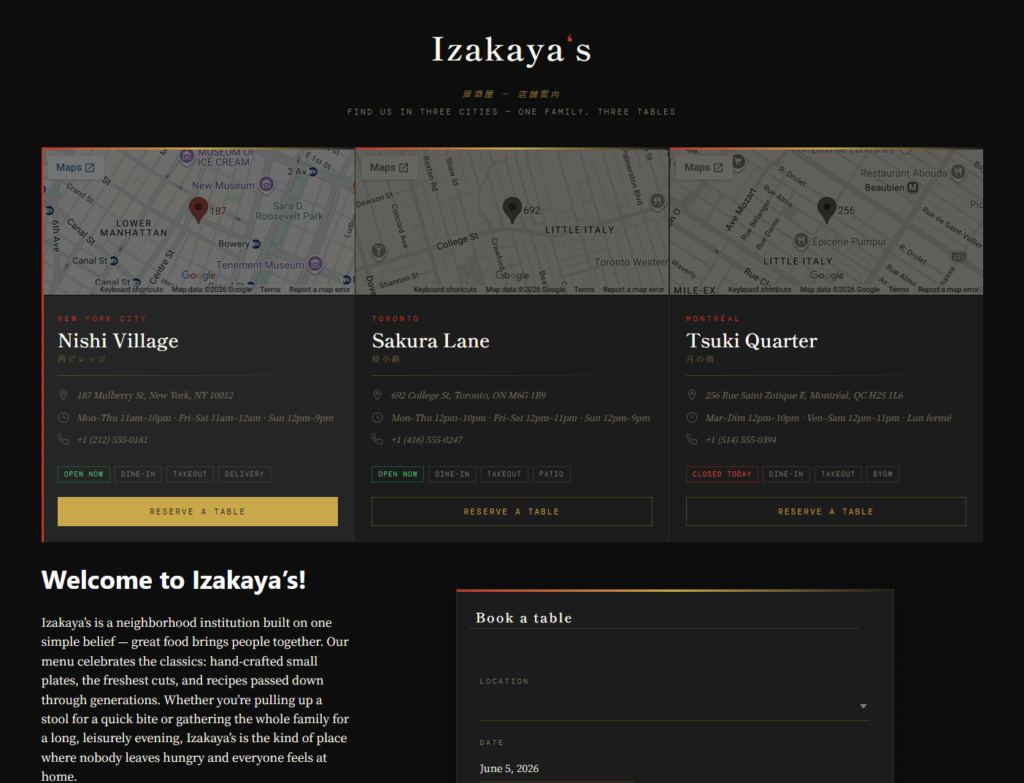
How to connect SEO traffic to a better booking experience
For SEO-optimized restaurant websites, the best reservation pages usually do three things well. First, they preserve the page’s search value by keeping useful content visible. Second, they introduce a relevant booking action before the visitor loses momentum. Third, they send the visitor into a reservation flow that feels polished and trustworthy.
- Use page-level calls to action. A brunch page should not rely only on a generic sitewide booking link. It should invite a relevant reservation action inside the content.
- Match the booking path to the page context. If the page is about private dining, events, or a high-demand service window, the reservation flow should support that expectation.
- Keep the booking experience on-site. A branded direct-booking path protects trust and reduces the risk of distraction or drop-off.
- Make sure the plugin supports real restaurant rules. Search traffic can spike around special hours, holidays, and seasonal demand, so scheduling flexibility matters.
- Measure success by completed reservations, not just organic sessions. The best setup improves both discoverability and booking outcomes.
| SEO-to-booking handoff | Traffic-only setup | Booking-ready setup |
|---|---|---|
| High-intent landing pages | Informational only | Informational with a clear reservation action |
| Booking path | Generic or detached | Context-aware and direct |
| Brand continuity | Weak | Strong on-site experience |
| Operational fit | Limited rules or manual fixes | Scheduling controls and restrictions support service quality |
| Conversion outcome | Good traffic, uneven booking completion | Better alignment between rankings and revenue |
Turn search traffic into direct reservations
Compare reservation tools that fit naturally into SEO-focused restaurant websites and help visitors act while intent is high.
A realistic example of an SEO page that books more tables
Consider a restaurant that ranks well for local brunch searches. The page attracts qualified visitors, but bookings remain lower than expected because the reservation action appears only in the site header, the page focuses on copy without a clear transition to booking, and the form experience feels like a separate system.
A better approach adds a contextual reservation call to action within the page, places a booking invitation after key proof points such as hours, menu positioning, or customer expectations, and uses a direct-booking flow that feels consistent with the site. Five Star Restaurant Reservations is well suited here because it helps the site convert qualified traffic without forcing the restaurant into a disconnected booking experience.
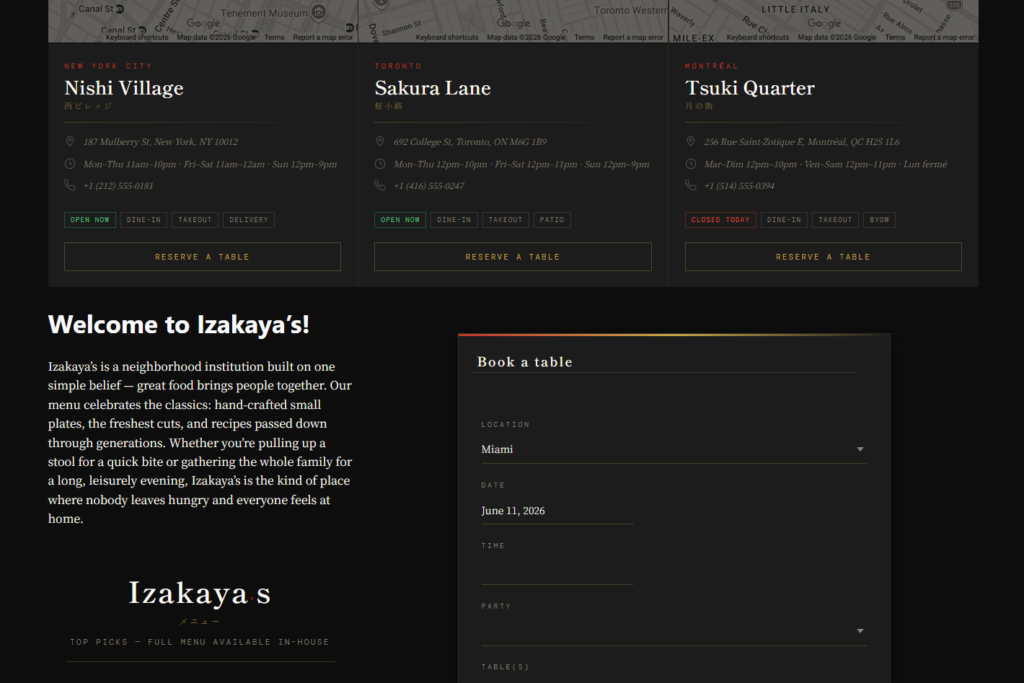
What to evaluate before choosing a reservation plugin for an SEO-focused site
Do not judge the plugin only by whether it can collect a booking. Judge it by whether it supports your traffic strategy. Can you place reservation actions naturally across ranking pages? Does the booking flow feel fast and on-brand? Can the plugin support holidays, special events, and restrictions without turning the site into a patchwork of workarounds?
Those questions matter because SEO-optimized restaurant websites often earn traffic across many entry pages. The booking system has to fit that structure, not fight it.
Related Content
Use the traffic you already earned more effectively
Pair your SEO work with a reservation flow that makes direct bookings easier to complete from high-intent landing pages.
Frequently asked questions about reservation plugins for SEO-optimized restaurant websites
Yes. If your visitors arrive through search on many different pages, the plugin needs to fit a wider range of booking entry points than a simple header button can handle.
Not inherently. The issue is usually page experience and conversion strategy, not the mere presence of a booking action.
Because keeping the booking experience on your own site is usually more trustworthy, gives you stronger brand continuity, and protects direct customer relationships.
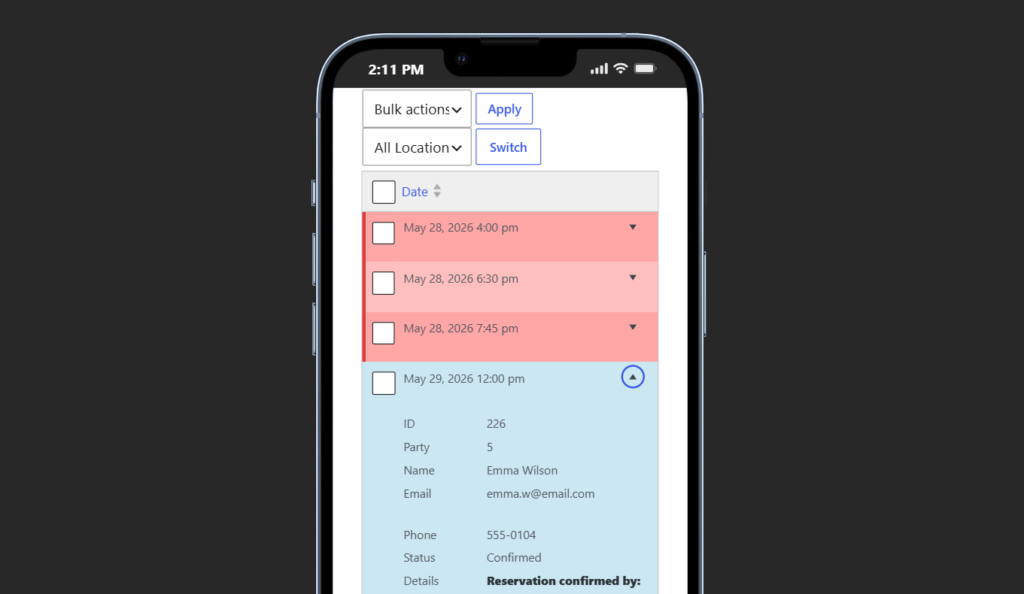
Make your SEO-optimized restaurant website better at closing the booking
If your site already attracts search traffic, use a reservation plugin that turns that visibility into more direct reservations on your own site.