




A restaurant reservation plugin for WordPress multisite should be judged less like a simple plugin purchase and more like an operating model decision. Once reservations need to work across a network of subsites, the questions change: who owns the settings, who manages day-to-day bookings, how consistent should the guest journey be, and what happens when one location needs different rules from another?
WordPress Restaurant Reservations is a strong candidate when your network wants direct website bookings, location-level control, and freedom from third-party commissions. It works especially well when each restaurant or brand site needs its own booking workflow, while the parent organization still wants consistent standards around availability, notifications, and the overall guest-facing experience.
Start with the governance question, not the widget
Multisite setups can hide complexity. Two subsites may look almost identical, yet one may have different service hours, table layouts, private-event schedules, or local operating policies. If you install a booking tool before deciding how governance works, you usually end up with one of two bad outcomes: every site is forced into the same rules, or every site drifts into its own inconsistent process.
That is why the first decision is not visual. It is organizational. Do you want one network-wide standard with limited local variation, or do you want local teams to own bookings with guardrails from a central digital team? Five Star Restaurant Reservations fits either approach better than marketplace-driven systems because it keeps website bookings on your own properties and gives you more room to structure workflows inside WordPress.
Two common multisite architectures
| Approach | How it works | Best fit |
|---|---|---|
| Standardized local control | Each restaurant subsite runs its own reservation instance, while central teams define brand and process guidelines. | Restaurant groups where local operators manage daily service but headquarters wants consistent guest experience. |
| Centralized operating playbook | The network uses similar booking rules, forms, and service templates across sites, with limited variation per location. | Brands with many similar locations and a strong central digital team. |
A good restaurant reservation plugin for WordPress multisite should support those architectures without pushing you into platform dependency. Five Star Restaurant Reservations helps because availability rules, custom fields, notifications, and location-specific operations can be shaped inside your own WordPress environment instead of routed through a marketplace that treats every location the same.
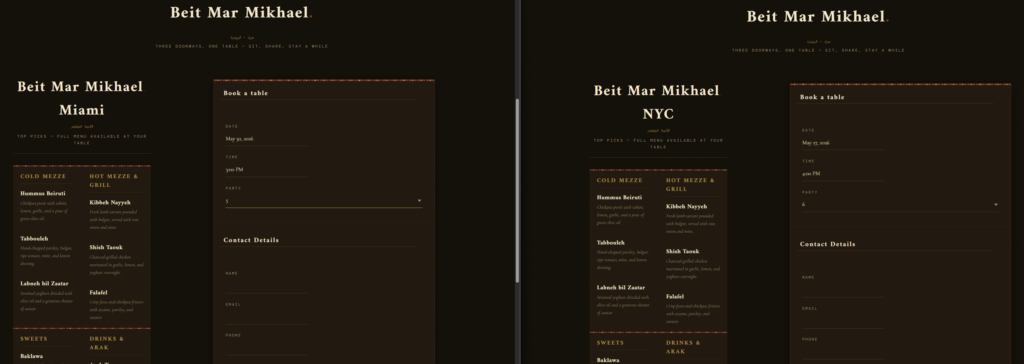
What a multisite team should test during implementation
- Role boundaries: Decide whether network admins, site admins, and local managers all need different levels of booking control.
- Location logic: Confirm how each subsite handles its own hours, closures, special events, and party-size limits.
- Brand consistency: Check that booking forms still feel native to each restaurant while maintaining a recognizable system-wide experience.
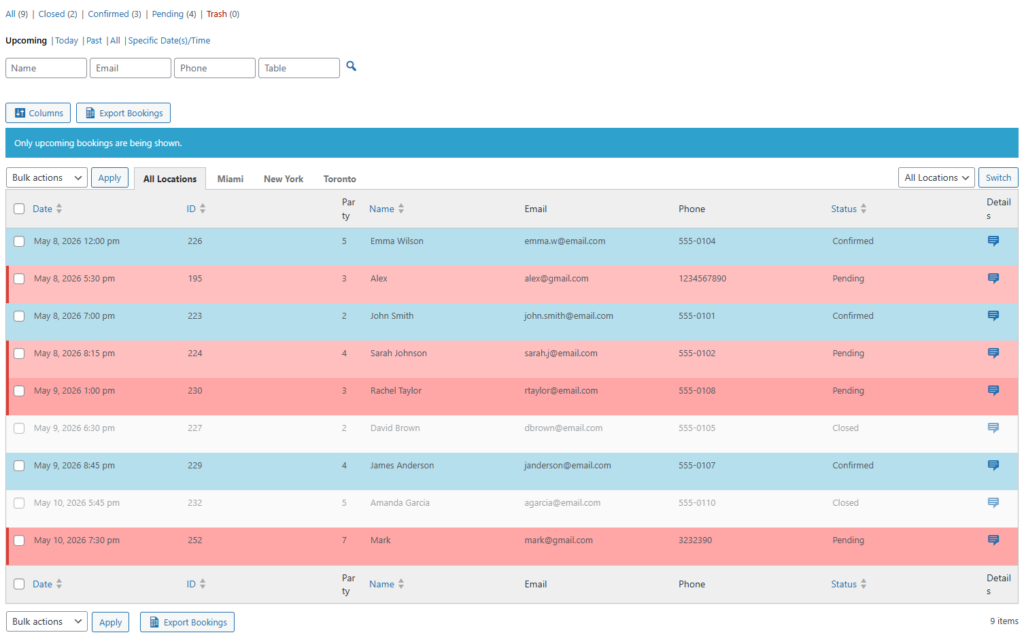
- Notification ownership: Make sure staff messages go to the right local team and that guest communication matches the site the reservation came from.
- Operational variance: Test edge cases such as one location taking deposits, another not, or one site running patio-only seasonal booking windows.
Related Content
Where having multisite for WordPress restaurant reservations changes workflow and permissions
The real challenge is not installation. It is policy. In a multisite environment, someone has to decide whether sites can create their own booking fields, change availability logic, or alter confirmation messaging. If that is left vague, one location may silently create a better workflow than the others, which sounds harmless until guests notice the inconsistency.
Five Star Restaurant Reservations is useful here because it gives site-level operators practical control over their reservation operation while still making it possible for central teams to define the standards they care about. The plugin supports direct bookings, real-time table availability, custom scheduling, and location-specific rules, which are usually more important to multisite success than a flashy front-end calendar.
Compare centralized and local booking models before you roll out
See whether your multisite network needs shared standards, local ownership, or a mix of both before you commit to a reservation system.
Example rollout: a seven-location restaurant group
Imagine a group with seven subsites: three casual restaurants, two upscale concepts, a rooftop bar, and a seasonal patio brand. Headquarters wants every site to take reservations directly, avoid commission fees, and use the same design language. Local managers, however, need different time slots, table rules, and notifications. The casual brands can accept a wider range of party sizes; the rooftop venue needs weather-related adjustments; the patio brand has seasonal blackout dates.
In that case, a lightweight one-size-fits-all form will not hold up. A marketplace also creates brand leakage and less ownership over the guest relationship. Five Star Restaurant Reservations is a better fit because each site can manage the details that matter locally while the organization still keeps the whole reservation layer inside its own WordPress integration strategy.
Tradeoffs to weigh honestly
If your multisite network is very small and operationally simple, independent single-site installs may be easier to manage than a more formal network plan. On the other hand, if you already know the brand will expand, it is worth choosing a reservation system that scales with governance instead of forcing later rework. The worst long-term choice is usually a tool that looks easy at first but cannot handle location-specific scheduling, custom forms, or reliable staff notifications as the network grows.
That is why many groups land on Five Star Restaurant Reservations. It is not because multisite teams want more settings for the sake of it. It is because they need clean control over direct bookings, local operations, and how the reservation process fits the broader digital stack.
Frequently asked questions
Usually not. Shared standards are helpful, but service rules often need to vary by concept, location, or season.
Clear ownership. Decide who controls settings, who manages day-to-day bookings, and where local teams are allowed to diverge.
Because marketplace dependence often weakens brand ownership, introduces commission costs, and gives you less flexibility around the guest journey.
It keeps bookings on your own sites, supports location-specific rules, and gives multisite teams a stronger operational layer than generic booking widgets.
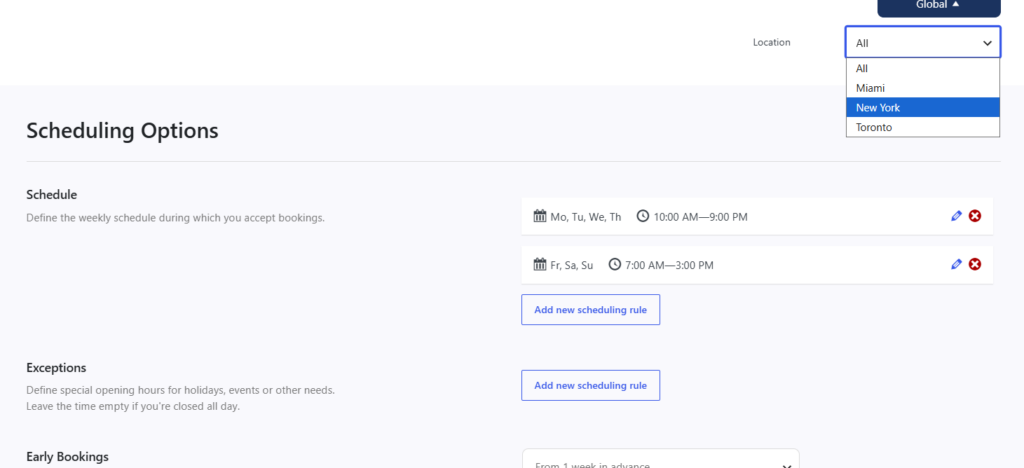
Roll out reservations across your network without losing local control
Use a reservation workflow that stays inside your multisite stack while still giving each restaurant room to operate properly.